
Simple Signposting to Better Health and Wellbeing
Northamptonshire (West)
Self-care and National Support Services
ALCOHOL
NATIONAL SUPPORT
Do you think you would benefit from some further support to reduce your drinking to 'lower risk' levels?
- Speak to your GP, a loved one or call Drinkline 0300 1231110 (Mon-Fri 9am - 8pm, weekends 11am - 4pm). The Drinkline service provides free, confidential, accurate and consistent information and advice to callers who are concerned about their own or someone else`s drinking regardless of the caller`s age, gender, sexuality, ethnicity or spirituality.
-
Download the drinks tracker from Drink less - Better Health which makes it easy to keep an eye on the booze and take control with daily tips and feedback available on itunes or google play
-
Get further information from NHS Choices www.nhs.uk
SELF CARE
Further tips on cutting down
Download the drinks tracker from Drink less - Better Health which makes it easy to keep an eye on the booze and take control with daily tips and feedback available on itunes or google play
Get further information from NHS Choices www.nhs.uk
Make a plan
Before you start drinking, set a limit on how much you're going to drink.
Set a budget
Only take a fixed amount of money to spend on alcohol.
Let them know
If you let your friends and family know you're cutting down and it's important to you, you could get support from them.
Take it a day at a time
Cut back a little each day. That way, every day you do is a success.
Make it a smaller one
You can still enjoy a drink, but go for smaller sizes. Try bottled beer instead of pints, or a small glass of wine instead of a large one.
Have a lower-strength drink
Cut down the alcohol by swapping strong beers or wines for ones with a lower strength (ABV in %). You'll find this information on the bottle.
Stay hydrated
Have a glass of water before you have alcohol and alternate alcoholic drinks with water or a soft drink.
Take a break
Have several drink-free days each week.
DRUGS
NATIONAL SUPPORT
Call FRANK FRANK is a national drug information service with factfiles and FAQs.
Tel: 0300 1236600 (24 hours a day, 7 days a week) or Text 82111
Narcotics Anonymous - A non-profit fellowship or society of men and women for whom drugs had become a problem. They are recovering addicts who meet regularly to help each other stay clean. This is a program of complete abstinence from all drugs. There is only ONE requirement for membership, the desire to stop using.
Tel: 0300 9991212 (10.00am to midnight)
- Mutual Aid services including twelve step programmes and Smart Recovery are available to anyone who wants support to address their drug or alcohol use. You can find a meeting here:
- Alcoholics Anonymous https://www.alcoholics-anonymous.org.uk/
- Narcotics Anonymous https://online.ukna.org/
- Cocaine Anonymous https://www.ca-online.org/
- SMART Recovery https://smartrecovery.org.uk/online-meetings/
Support Services - Children and Young People
Children and Young People can contact the 'The Mix which is a leading support service that can help young people to take on any challenge they are facing - from mental health to money, from homelessness to finding a job, from break-ups to drugs.
- Tel: 0808 0808 4994 (Freephone)
- Web: http://www.themix.org.uk/
Local Support Services
Northamptonshire (West)

Alcohol 
ASK
- “Do you drink alcohol? If so, how often?”
- “Have you noticed any changes in how much or how often you drink?”
- “How do you feel alcohol is affecting your health, mood, or daily life?”
ASSESS
- Explore how their drinking compares with lower-risk guidance:
14 units a week for men and women (≈ 6 pints of average-strength beer or 1⅓ bottles of wine). - Consider patterns: drinking to cope, drinking alone, binge drinking, or regular heavy drinking.
- Identify motivation: “Is reducing alcohol something you’re thinking about?”
ACT
- Encourage small, realistic steps (tracking, alcohol-free days, swapping for lower-strength drinks).
- Signpost to supportive tools such as the Drink Less app.
- Offer information on local and national support services.
- Reinforce that support is available and change is possible.
Conversation tips
- Keep it non-judgemental: Focus on wellbeing, not blame.
- Use open questions: “What would you like to change about your drinking, if anything?”
- Normalise the topic: Many people underestimate their alcohol intake; it’s okay to talk about it.
- Highlight benefits: Better sleep, more energy, improved mood, financial savings.
Lower-risk drinking guidance:
Adults should aim for no more than 14 units per week, spread over several days.
Support Services:
- West Northamptonshire Council: Information and support for alcohol concerns.
- Family Support Link: Free, non-judgemental support for people affected by someone else’s substance use.
- Alcoholics Anonymous (AA): 32 meetings weekly across Northamptonshire.
- Drinkaware app – helps track drinking and set goals.
- NHS Better Health – Drink Less: Tips, tools, and guidance.
- Al-Anon Family Groups: Support for anyone affected by another person’s drinking.
Drugs 
ASK
- Choose an appropriate time and place — somewhere private and calm, such as at home or during a walk.
- Ask sensitively about drug use, using a gentle and non-confrontational tone.
- Express your concerns clearly but kindly: “How have you been feeling lately?” “I’ve noticed a few things that made me feel worried about you…”
ASSESS
- Listen actively and without judgement.
- Acknowledge their feelings and reflect back what you hear to show understanding.
- Explore whether they feel their drug use is affecting their health, mood, or daily life.
- Consider their readiness to change: “Is there anything you’d like support with right now?”
ACT
- Offer help in the way they feel most comfortable. This might be practical support, information, or connecting them with a service.
- Provide reassurance that substance use and mental health issues are treatable, and support is available.
- If appropriate, help them contact services or make a referral.
- Urgent safety: Contact a GP (including out of hours) if needed. If someone is at immediate risk, go to A&E or call 999.
Conversation tips
- Be patient — change can take time.
- Stay calm and non-judgemental: Focus on their wellbeing, not on blame.
- Validate their feelings: “It makes sense that you’re feeling this way.”
- Use open questions: Encourage them to talk freely rather than give yes/no answers.
- Avoid lecturing or pressuring: Support works best when the person feels safe and respected.
- Encourage small steps: Even considering support is progress.
Resources
- WNC: Drugs and drug abuse | West Northamptonshire Council
- Bridge Substance Misuse Home Page
- Family Support Link provide free, accessible and non-judgemental support, to those affected by another's substance misuse
- Aquarius: Northamptonshires Young People's Service | Supporting Young People
- CGL Change Grow Live | Charity | We can help you change your life
- FRANK: Honest information about drugs | FRANK
- GP services: For assessment, advice, and referrals — including out-of-hours support.
- Emergency services: A&E or 999 if there is immediate danger.
Self-care and National Support Services
Give reassurances that there are lots of sources of support and help your bereaved person make contact with sources of support.
If you are worried that this person is in crisis, please see section for Suicide Prevention
If no immediate risk take the following steps:
Encourage and support them to contact:
National Bereavement Service
Most people will have to take responsibility for all the practical arrangements after a death, at least once in their lives. For others, it can be many more times. In any circumstance, loss is a difficult and often distressing time.
The National Bereavement Service offers practical and emotional support to guide you through what needs to be done. We can introduce the bereaved to trusted partner organisations in both private and charitable sectors, as well as provide information on the statutory requirements following loss, such as the registration of death and probate.
Tel: 0800 0246 121 Website: https://thenbs.org/
Cruse
Cruse offers advice and information about types of support, where to get it, and help supporting other people. They also have a telephone helpline and webchat service enabling people to talk about how they are feeling Home - Cruse Bereavement Support.
Supporting other people - Cruse Bereavement Support
Mind
The charity Mind has a wealth of information about different types of bereavement, where to go for support and suggestions for helping yourself and others Support and self-care for grief - Mind. This includes a dedicated section with information on Losing someone to suicide - Mind
Age UK
Bereavement - Find support with coping | Age UK
Child Bereavement UK
Child Bereavement UK helps families to rebuild their lives when a child grieves or when a child dies. We support children and young people (up to the age of 25) when someone important to them has died or is not expected to live, and parents and the wider family when a baby or child of any age dies or is dying.
Tel: 0800 02 888 40 Website: https://www.childbereavementuk.org/
SELF CARE
- Encourage the person to contact their GP. Their GP will be able support the person in many ways
- Mind 'The charity for better mental health' has an extensive range of self help resources available
- The NHS have has a range of self-help tools available
- Andy's Man Club provides a weekly talking group, a place for men to come together in a safe environment to talk about issues/problems they be have faced or currently been facing. Meetings take place regularly in different locations across the region, where applicable these can be found in the local support and contact details section.
- For Men -CALM (Campaign Against Living Miserably) offer accredited, confidential and free support to men anywhere in the UK through a helpline and web and webchat service. They talk through any issue with you and offer support, advice and signposting.
- Qwell - Free, safe and anonymous mental wellbeing support for adults across the UK
- Kooth - is your online mental wellbeing community. Access free, safe and anonymous support, for 11-25 year olds
Every Mind Matters
‘Every Mind Matters’ is the first national mental health campaign from Public Health England
- It’s an NHS-approved digital hub full of expert advice and practical tips to achieve good mental health
- It also has a free NHS-approved online tool - ‘Your Mind Plan’ to help us:
- deal with stress
- boost our mood
- improve our sleep
- feel more in control.
Search online for 'Every Mind Matters'
https://www.nhs.uk/oneyou/every-mind-matters/
Support Services - Adults
Adults can self-refer to Improving Access to Psychological Therapies (IAPT) services. IAPT is a national NHS programme, which offers evidence based psychological therapies or interventions approved by the National Institute of Health and Clinical Excellence (NICE). IAPT is primarily for treating people with mild to moderate mental health issues such as anxiety disorders, depression and post-traumatic stress disorder.
IAPT treatments are delivered via a stepped care model where patients are initially offered low intensity therapies, such as computerised cognitive behavioural therapy (cCBT) and guided self-help. If these treatments are unsuccessful, or not appropriate for individuals, higher intensity therapies are utilised and include one to one cognitive behavioural therapy (CBT) or interpersonal therapy (IPT). Please see local support and contact details for further information.
Support Services - Veterans
Veterans Combat Stress is the UK's leading mental health charity for veterans. They offer free, confidential 24-hour support to Service and ex-Service personnel who are experiencing mental health issues, including feeling suicidal.
Tel: 0800 138 1619
Web: https://www.combatstress.org.uk/help-you
Support Services - Perinatal
PANDAS Foundation
The PANDAS Foundation is here to help support and advise any parent who is experiencing a perinatal mental illness. We are also here to inform and guide family members, carers, friends and employers as to how they can support someone who is suffering.
Tel: 0843 2898401 (0900 - 2000 hrs, 7 days per week)
Web: http://www.pandasfoundation.org.uk/
Support Services - Carers
The Carers Trust
It is important that you take care of your own health, even if you are busy looking after someone else's health. Being healthy is not only important for you, but it also helps the person you care after too. The website contains some helpful guides on relationship management and information on self-care and respite care.
Support Services - Children and Young People
Children and Young People can contact the 'The Mix which is a leading support service that can help young people to take on any challenge they are facing - from mental health to money, from homelessness to finding a job, from break-ups to drugs.
- Tel: 0808 0808 4994 (Freephone)
- Web: http://www.themix.org.uk/
For Parents
YoungMinds run a free, confidential parents helpline, which parents/careers can call if they are worried about how a child or young person is feeling or behaving. They also run a group called Parents Say, for parents whose children are accessing Child and Adolescent Mental Health Services.
Web: https://youngminds.org.uk/
Local Support Services
Northamptonshire (West)

ASK
- “I’m sorry for your loss — how have you been coping?”
- “Do you have people around you who are supporting you?”
- “Some days can feel harder than others — how have you been managing lately?” Be gentle, non-intrusive, and let them lead the pace.
ASSESS
- Allow space for silence — listening matters more than advice.
- Acknowledge their feelings: “It’s understandable to feel that way.”
- Offer information about support if appropriate: “There are local or online bereavement groups if you’d like to connect with others.”
ACT
- Signpost to GPs or local bereavement services for emotional help.
- Encourage gentle self-care — eating, resting, connecting with others.
Conversation tips
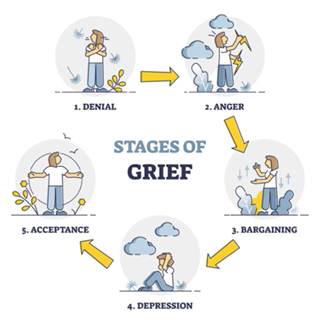
- Grief affects people in many ways — emotionally, physically, and socially.
- Bereavement can increase risk of loneliness, depression, and poor health.
- A simple, kind, supportive conversation can help someone their loss is seen, they are not alone, and their feelings matter alone.
Resources
- West Northamptonshire Bereavement services
- Samaritans Northampton: 116 123 (24/7)
- Cruse Bereavement Support: 0808 808 1677
Self-care and National Support Services
National Support Services
The Money Helper Service (Government backed service)
Free and impartial money advice, set up by government
- Advice and guides to help improve your finances
- Tools and calculators to help keep track and plan ahead
- Support over the phone and online
Tel: 0800 1387777
*Calls are free. We’re committed to providing you with a quality service, so calls may be recorded or monitored for training purposes and to help us develop our services.
Web: https://www.moneyhelper.org.uk/en
Webchat: Got a question? We will point you in the right direction. You can start a Webchat online to talk to us live.
Webchat opening hours
- Monday to Friday, 8am to 6pm
- Saturday, 8am to 3pm
- Sunday and Bank Holidays, closed.
WhatsApp: Need help sorting out your debts, have credit questions or want pensions guidance? You can talk to us live on WhatsApp.
- Add +44 77 0134 2744 to your WhatsApp and send us a message.
- For everything else please contact us via Webchat or phone.
Citizens Advice Service
The Citizens Advice Service can help you to make the right choices, including help to deal with your debt problems, how to avoid losing your home and how to get your finances back into shape. Citizens Advice also offer advice on Benefits and Tax credits as it's important to make sure that you get all the help that you're entitled to
Tel: 03444 111 444
Web: https://www.citizensadvice.org.uk/debt-and-money/
National Debtline
National Debtline has helped millions of people with their debts. They'll talk you through options and give clear advice on how to take back control.
Tel:
Debt Advice Foundation is a national debt advice and education charity offering free, confidential support and advice to anyone worried about debt.
Tel: 0800 622 61 51
Web: http://www.debtadvicefoundation.org/
Credit Unions
Credit unions offer an alternative to traditional banks and building societies for saving and borrowing.
They're there to provide a financial community. Credit Unions can help those who can't get access to ordinary bank products; a lifeline in less well-off communities for people grappling with their finances.
Web: https://www.findyourcreditunion.co.uk/
Rising cost of Energy
If you are struggling to pay for energy or think you may get into difficulty, contact your supplier.
The energy regulator rules mean suppliers must offer payment plans you can afford and you can ask for ‘emergency credit’ if you use a prepay meter and can’t top up.
Save money off your Gas Bill
Turning down a single setting will make your boiler work more efficiently, saving around £112 a year for the average household. It only takes a few minutes to lower your flow temperature, and it can be changed back instantly. There’s nothing to lose by trying it. Advice from Nesta, the UK's innovation agency for social good.
Web: Walkthrough - Money Saving Boiler Challenge
Local Support Services
Money and cost of living
ASK
- Use open, gentle questions:
“How are things financially at the moment?”
“Are you managing with day-to-day costs?”
ASSESS
- Listen for concerns about debt, bills, food affordability, rent/mortgage pressure, fuel costs.
- Acknowledge stress and worry: “That sounds really difficult.”
ACT
- Support them to access budgeting tools, debt help, or local advice.
- Encourage early action — problems grow when ignored.
- Signpost to trusted, free support (see resources).
Conversation tips
- Don’t put off dealing with debt. Early help makes a huge difference.
- Encourage taking control through budgeting and planning
- Normalise financial stress; many people struggle
- Remind them there is local, practical support available
Resources
- WNC Cost of Living Support Hub
– Filter by situation (e.g., adult in employment, pensioner)
– Categories: debt, food & essentials, rent/mortgage, energy support - Energy Advice Service (Community Law Service)
Tel: 01604 235709
Email: financialhealth@communitylawservice.co.uk - Communities and Place Funding – WNC
Local grants and support schemes - MoneyHelper (Money & Pensions Service)
Free, impartial money guidance & budgeting tools - Better Housing Better Health (BHBH)
Support for fuel poverty, energy efficiency & home warmth - Independent Age
Financial hardship help for older adults
Self-care and National Support Services
Self-Care & National Support Services
Reducing the risk of cardiovascular disease (CVD) involves adopting a heart-healthy lifestyle and managing key risk factors. There are some useful resources available on the NHS Better Health Website: https://www.nhs.uk/better-health/
This includes useful tools and we can recommend:
Quitting Smoking
Better Health quit smoking website which includes information about the benefits of quitting, advice on various quitting aids and a local stop smoking service lookup tool
NHS Quit Smoking App - a 28-day programme that provides practical support, encouragement, and tailored clinical advice on your mobile/tablet. Includes a savings calculator so you can see how much money you're saving.
To find out more you could watch our app demo which provides a step by step view of how to get started
Personal Quit Plan – four simple steps to create your own personal quit plan
Drink Less
https://www.nhs.uk/better-health/drink-less/
Cutting back on the booze can be a really effective way to improve your health, boost your energy, lose weight and save money. Any reduction in the amount you drink every week will be beneficial – and with the right help, it's easier than you think.
The benefits of Physical Activity
Get active - Better Health - NHS (www.nhs.uk) - website includes access to free online exercise routines you can do at home and offers from approved partners
Active 10 walking app - track your walking habits to increase the number of brisk minutes, which is when the health benefits will be greatest. No Lycra required, and there are lots of benefits of getting out into local green spaces like parks for your mental health too. Available from the App Store and Google Play
Couch to 5k app - easy to follow, flexible programme to get you running 5k in as little as 9 weeks, or longer if you want. Listen to your preferred music player as you run, between motivational messages from your chosen celebrity “coach”. Track your achievements and collect awards as you progress. Available from the App Store and Google Play
Eating Well and achieving a healthy weight
Lose weight - Better Health - NHS (www.nhs.uk) – information and advice, and links to offers from approved partners
NHS Weight Loss Plan app, a 12-week programme following NHS advice on losing weight safely. Available from the App Store and Google Play. To find out more you could watch our app demo
Healthy Steps email programme:
Healthy Steps is a budget-conscious email programme designed to encourage families to take steps to improve their health and wellbeing. It provides regular reinforcement and feedback to help families set and achieve goals. Particular focus on lower income families with children aged 5-11.
The programme invites families/parents/carers to complete a quiz, leading to a recommendation of the best NHS approved health options for your family. There are currently three on offer: sugar reduction, 5 A Day or planned cooking. Those who sign up will get eight weekly emails with hints and tips on their chosen theme, as well as weekly challenges. Built-in feedback loops means that they will also be provided reinforcement and encouragement after set-backs to help them in their journey through Healthy Steps.
NHS Health Checks
The NHS website provides full details on what happens in an NHS health check
https://www.nhs.uk/conditions/nhs-health-check/what-happens-at-an-nhs-health-check/
An NHS Health Check will be done by a healthcare professional
The check takes about 20 to 30 minutes. There will be questions, measurements and tests.
You'll be asked some simple questions, including:
- whether any of your close relatives have had the illnesses being checked for
- if and how much you smoke
- how much alcohol you drink, if any
- how much physical activity you do
Your weight and height will be measured to work out if you are a healthy weight for your height.
Your waist may also be measured using a tape measure.
Your age, gender and ethnicity will be recorded.
Your blood pressure will be taken using a cuff fitted over your upper arm – find out what happens during a blood pressure test. Your pulse should be taken too.
You will either have a blood test before or at the check. You may also have a small sample of blood taken from your finger during the appointment to check your cholesterol level and possibly also your blood sugar level.
The health conditions picked up by the NHS Health Check are, when added together, the biggest cause of preventable deaths in the UK, with around 7 million people affected by them.
In its first 5 years, the NHS Health Check is estimated to have prevented 2,500 heart attacks or strokes. This is the result of people receiving treatment after their Health Check.
The latest research suggests that:
- for every 30 to 40 people having an NHS Health Check, 1 person is diagnosed with high blood pressure
- for every 80 to 200 people having a Health Check, 1 person is diagnosed with type 2 diabetes
- for every 6 to 10 people having an NHS Health Check, 1 person is identified as being at high risk of cardiovascular disease
Key CVD Support websites and resources
West Yorkshire Healthy Hearts aims to help reduce the risk of heart attack and stroke for people at highest risk.
West Yorkshire Harrogate Healthy Hearts
Humber, Coast and Vale Healthy Hearts
British Heart Foundation offers information and support for patients and professionals for the prevention and management of CVD
Welcome to British Heart Foundation - BHF
Managing cholesterol
HEART UK - The Cholesterol Charity
Diabetes support prevention and management
Diabetes UK - Know diabetes. Fight diabetes. | Diabetes UK
Know your numbers and managing blood pressure for professionals
Prevention support to lose weight, get active, quit smoking, drink less
Better Health - NHS (www.nhs.uk)
Managing stress and taking care of your mental health
Every Mind Matters - NHS (www.nhs.uk)
This guide explains how AF is diagnosed and treated, and treatments to reduce your risk of a stroke.
Atrial fibrillation (AF) and stroke | Stroke Association
This guide explains what high blood pressure is and how it increases your risk of stroke
High blood pressure and stroke | Stroke Association
Local Support Services
Northamptonshire (West)
Risk factors
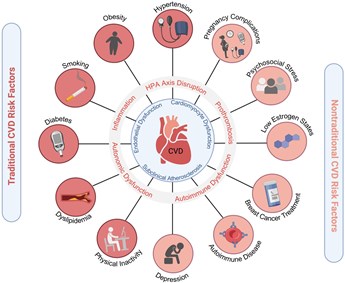
- Diabetes
- High blood pressure
- High blood cholesterol
- Family history of heart conditions
- Ethnic background - South Asian & Black African or African Caribbean background have an increased risk of getting CVD
- Sex - men are more likely to get CVD earlier than women.
- ⏳ Age - the older you are, the more likely you are to get CVD.
High-risk behaviours
🚬Smoking or vaping nicotine – damages blood vessels and raises blood pressure.
🍟 Unhealthy diet – high in saturated fat, salt, and sugar.
🪑 Physical inactivity – weakens the heart and circulation.
🍷 Excess alcohol use – raises blood pressure and cholesterol.
😴 Poor sleep patterns – linked to hypertension and obesity.
😟 Chronic stress – can increase blood pressure and unhealthy coping habits.
⚖️ Being overweight or obese – especially central (abdominal) obesity.
💊 Not taking prescribed medication – e.g. for blood pressure, diabetes, or cholesterol
ASK
- Start with open, friendly questions about lifestyle and wellbeing.
- “How do you feel about your health in general and how healthy do you think your heart is?”
- “What sort of things do you do to stay active or look after yourself?”
ASSESS
- Listen and encourage small, realistic changes.
- “Even small steps like walking more or cutting back on salt can make a big difference.”
- Share simple, relevant info: NHS Health Check, healthy eating, quitting smoking, being active.
ACT
- Support goal-setting or referral.
- “Would you like me to link you to local health or wellbeing support?”
- Signpost to GP, local wellbeing hubs, stop smoking or exercise programmes.
Conversation tips
- Do you know what cardiovascular disease (CVD) means?
- Do you know how you can check your cardiovascular disease risk?
- Do you know where you get your blood pressure, blood sugar or cholesterol checked?
- Can I help you understand your blood pressure and cholesterol results?
- Are you aware of what changes you can make to reduce your cardiovascular disease risk?
- Do you know if you are diabetic?
Resources
- Free NHS Health Checks (age 40–74)
- Northamptonshire Referrer Info | Xyla Services
- Cardiovascular disease – BHF
- Diabetes UK Charity
- Cardiovascular Care Partnership UK (CCPUK)
- Heart Research UK - Healthier, happier, longer lives for everyone
- Support HEART UK | Ways to Get Involved and Make a Difference
- Diabetes UK - Know diabetes. Fight diabetes. | Diabetes UK
Self-care and National Support Services
You should inform the individual who is experiencing domestic abuse that they should call 999 if they are in danger. If they’re unable to speak when they dial 999, they can use 'The Silent Solution': Wait for the operator to speak and type 55 on the keypad. This will alert the operator that they need help.
There are local and national support services who can help both victims and perpetrators of domestic abuse and their children. Please click your location from the drop downs below to see contact details for support services available in your locality.
If you have completed a DASH risk assessment and it has scored 14 or above, this is deemed high risk and requires a MARAC (multi-agency risk assessment conference) referral as well as a referral to your local domestic abuse support service. The MARAC referral process may vary depending on your local authority, please click your local area below for more information.
If there are children linked to the domestically abusive relationship you should make the appropriate safeguarding referrals for your locality.
Local Support Services
Northamptonshire (West)
ASK
Use open, discovery-style questions to make the most of opportunities to talk about health and wellbeing.
- “How do you feel about speaking to any agencies for support or help?”
- “What help or support have you already considered?”
ASSESS
- Acknowledge their response using healthy conversation skills such as active listening, reflecting, or showing empathy. This supports a shared understanding of what the person needs.
- Keep it personalised and consider their motivations.
ACT
Take appropriate next steps:
- Provide information
- Signpost to a local service or refer them directly when appropriate
- Ensure the action is person-centred; the individual must want to change or seek support.
Conversation tips
- Stay non-judgemental: Focus on their wellbeing, not on what they “should” be doing.
- Use open questions: Encourage them to talk in their own words.
- Reflect and summarise: Show you’ve heard them and help clarify their thoughts.
- Normalise the topic: Many people need support; it’s okay to talk about it.
- Support self-motivation: Ask what they would like to do next, even if it’s a small step.
- Offer choice: “Would you like some information, or would you prefer to think about it first?”
Resources
- WNC webpages Domestic abuse | West Northamptonshire Council (westnorthants.gov.uk)
- Northamptonshire Safeguarding Adults Board (NSAB) (www.northamptonshiresab.org.uk)
- Northamptonshire Domestic Abuse Service (ndas.co)
- Eve - Domestic Violence & Abuse Help Northamptonshire (eveda.org.uk)
- Northamptonshire Rape Crisis | Support for anyone affected by sexual abuse, assault or rape
- Serenity sarc - support for those who have been raped or sexually assaulted in Northamptonshire | NHFT
- Support for victim/witness of crime, fire incident or road collision: www.voicenorthants.org
- Domestic Abuse Help · National Centre for Domestic Violence (ncdv.org.uk)
- Support organisations for victims of domestic violence | Northamptonshire Police (northants.police.uk)
- Women's Aid Directory - Women’s Aid (womensaid.org.uk) Their directory contains up to date information about domestic abuse support services across the UK
Self-care and National Support Services
Self Care
There is a wealth of information and ways to prevent falls on the following websites
- Saga - Discover ways to stay fit at saga.co.uk/falls
- Age Uk - Information on falls prevention, exercise classes and handyman services in some areas. Call free on 0800 169 6565 or see ageuk.org.uk/falls
- The effective assessment of an individual’s risk of a fall would be a multifactorial intervention considering falls history, visual impairment etc. This assessment would enable the referral of an individual to effective interventions targeted at specific risk factors
- Your GP may carry out some simple tests to check your balance. They can also review any medicines you're taking, in case their side effects may increase your risk of falling. Your GP may also recommend:
- having a sight test if you're having problems with your vision, even if you already wear glasses
- having an electrocardiogram (ECG) and checking your blood pressure while lying and standing
- requesting a home hazard assessment, where a healthcare professional visits your home to identify potential hazards and offer
- advice doing exercises to improve your strength and balance (try some exercises for older people)
- NHS Choices - Find information and other resources at Keep bones healthy over 65 - NHS (www.nhs.uk)
Local Support Services
ASK
- “Have you had any falls or near-misses recently?”
- “Do you ever feel unsteady on your feet?”
- “Is balance or confidence when walking something you’d like support with?”
ASSESS
- Explore frequency of falls or stumbles.
- Identify contributing factors: medication, home hazards, mobility, footwear, vision/hearing.
- Check confidence, strength, and current activity levels.
- Consider whether a falls referral may be helpful.
ACT
- Encourage simple, practical steps to reduce risk
- Home safety adjustments.
- Seaking to a pharmacist about medication.
- Regular vision and hearing checks.
- Strength and balance exercises.
- Offer information about WNC Falls Management and how to refer
- Encourage engagement with local prevention programmes (e.g., Get Up & Go).
Conversation tips
- Reassure: Falls are not an inevitable part of ageing.
- Use a calm, supportive tone—focus on independence and confidence.
- Normalise help-seeking: “Many people benefit from a bit of extra support with balance.”
- Emphasise small changes that can make a big difference.
- Encourage gradual, manageable steps instead of overwhelming changes.
Resources
- WNC Falls Management Service:
- Online referral form.
- Phone: 0300 126 7000, option 1, 2, 1.
- Email: falls@westnorthants.gov.uk
- Falls Prevention Programme – Get Up & Go
Video to watch: Five pillars of ageing well | OpenLearn - Open University
Self-care and National Support Services
National Support Services
The England Illegal Money Lending Team (EIMLT) STOP LOAN SHARKS
EIMLT is a national Trading Standards Team with a remit to prosecute loan sharks and to support victims of the crime. The team uses the Financial Services and Markets Act 2000 to obtain warrants and has the power to enter properties, seize evidence, arrest, charge and prosecute criminals acting as loan sharks. IMLT will investigate and prosecute for all crimes that are linked to illegal money lending and provide full support to victims who at the point of reporting have often reached their crisis point and urgently need the help.
Tel: 0300 555 2222 – 24 hours – report, guidance and support
Live Chat: 9am to 5pm Monday to Friday via website -
Email: reportaloanshark@stoploansharks.gov.uk
Money Helper
Free and impartial money advice, set up by government
- Advice and guides to help improve your finances
- Tools and calculators to help keep track and plan ahead
- Support over the phone and online
Tel: 0800 011 3797 Monday to Friday 8am-6pm
Web: https://www.moneyhelper.org.uk/
Email: money.enquiries@moneyhelper.org.uk
Typetalk: 18001 0800 915 4622 Monday to Friday, 8am to 6pm, Saturday, Sunday and Bank Holidays, closed
Citizens Advice Service
The Citizens Advice Service can help you to make the right choices, including help to deal with your debt problems, how to avoid losing your home and how to get your finances back into shape. Citizens Advice also offer advice on Benefits and Tax credits as it's important to make sure that you get all the help that you're entitled to
Tel: 03444 111 444 – Monday - Friday: 8am -7pm
Web: https://www.citizensadvice.org.uk/debt-and-money/
National Debtline
National Debtline has helped millions of people with their debts. They'll talk peopl through options and give clear advice on how to take back control.
Tel: 0808 808 4000 – Monday – Friday: 9am – 8pm, Saturday: 09:30 -1pm
Web: https://www.nationaldebtline.org/ web chat via the website
Monday to Friday 8am to 8pm and Saturday 8am to 4pm
PayPlan's supportive, non-judgemental team of advisers help thousands of people beat their debts every year, and treat all of their calls with the strictest confidence.
Tel: 0800 280 2816 - Monday – Friday: 8am – 8pm, Saturday 9am – 3pm
Web: www.payplan.com
Debt Advice Foundation is a national debt advice and education charity offering free, confidential support and advice to anyone worried about debt.
Tel: 0800 622 61 51
Web: http://www.debtadvicefoundation.org/
Credit Unions
Credit unions offer an alternative to traditional banks and building societies for saving and borrowing.
They're there to provide a financial community. Credit Unions can help those who can't get access to ordinary bank products; a lifeline in less well-off communities for people grappling with their finances.
Web: https://www.findyourcreditunion.co.uk/
Local Support Services
Northamptonshire (West)
ASK
- “Are you finding things difficult financially at the moment?”
- “Have you borrowed money recently — was it from a bank, lender, or someone you know?”
- “Do you ever feel pressured to pay someone back in ways that don’t feel right?”
(Be non-judgemental and private, people may feel ashamed or afraid.)
ASSESS
- Stay calm and reassure them that help is available and confidential.
- Explain that loan sharks are illegal lenders, and the borrower is not in trouble — the lender is.
- Avoid confronting anyone directly involved.
- Offer to connect them with safe financial or debt advice.
ACT
- Prioritise safety
- Support them to contact specialist help
- Encourage them NOT to repay further
Conversation tips
- Loan sharks target vulnerable people — often those in financial hardship or social isolation.
- Borrowers can face threats, intimidation, and spiraling debt.
- Many don’t realise borrowing from an unlicensed lender is illegal or that help is available.
- A short, caring conversation can help someone break free from fear or control.
- Reassure them “You’re not in trouble — this is illegal lending, and support is available to protect you.”
Resources
- Stop Loan Sharks Helpline: 0300 555 2222 (24/7, confidential)
- Report online: www.stoploansharks.co.uk
- Signpost to Citizens Advice
- Debt and Money Advice Service | West Northamptonshire Council
- Commsave Credit Union | West Northamptonshire Council
- If someone is being threatened or feels unsafe call 999.
- Report a loan shark - GOV.UK
Self-care and National Support Services
Fire and Rescue Service Safe and Well
Please use the Local Support and Contact details section below for signposting information to request either a Safe and Well visit for further Fire Safety advice from the Fire and Rescue Service.
Further information on Safe and Well can be found on the links below:
- Derbyshire Fire Rescue Service - Safe and Well visits
- Nottinghamshire Fire Rescue Service – Safe and Well
- Leicestershire Fire and Rescue Service – Safe and Well
- Lincolnshire Fire and Rescue Service – Safe and Well
- Northamptonshire Fire and Rescue Service - Safe and Well
Self Care
Establish a Bedtime Routine
- Close all internal doors fully
- Turn off and unplug any unnecessary electrical appliances
- Check your oven and/ or hob is turned off
- Ensure candles and cigarettes are fully extinguished
- Keep your door and window lock keys in an accessible place on the route out of the property
Make an Escape Plan
- Plan an escape route and make sure everyone knows how to escape
- Make sure exits are kept clear
- Ensure you have easy access to a phone in your bedroom at night
- Keep door and window keys where everyone can find them easily
- Review your plan if your ability to escape or your property layout changes
What to do if there is a Fire
- Keep calm and act quickly get everyone out as soon as possible
- Do not tackle the fire yourself
- Before you open a door check if it’s warm, if it is do not open it as fire may be on the other side
- If there is smoke , keep low where the air is clearer
- If your clothes catch fire you should lie down and roll around. If possible, smother the flames with a heavy material such as a coat or a blanket – remember – STOP DROP and ROLL
What to do if you cannot get out
- If safe to do so gather everyone into one room, ideally with a window and a phone
- Put bedding around the bottom of the door to block out smoke
Call 999- an operator will offer survival advice whilst you are on the phone
- If you do not have access to a phone, open the window and shout “HELP FIRE”
GET OUT, STAY OUT and CALL 999
Hoarding UK
Hoarding UK is the only UK-wide charity solely dedicated to supporting people affected by hoarding behaviours. Our aim is to empower individuals experiencing hoarding behaviours to achieve spatial and personal change, to reduce isolation and improve their health and well-being. We are a multi-service organisation, helping thousands of people over our ten years of service. In 2017, for example, we supported over 1,000 new people and professionals through our National Helpline.
Tel: 020 3239 1600 or 07444 791 500
Local Support Services
 🔥
🔥
ASK
- “Do you have any working smoke alarms at home?”
- “Do you feel confident you could get out quickly in an emergency?”
- “Any concerns about electrical items, smoking indoors, or clutter?”
- Ask about mobility or sensory issues (including dementia) that could affect escape.
ASSESS
Look for increased fire risk, including:
- No or non-working smoke alarms
- Mobility or sensory impairment affecting escape
- Older person living alone
- Vulnerable adult needing or receiving care/support
- Smoking indoors + limited mobility
- Hoarding or excessive clutter
- Electrical hazards (overloaded sockets, exposed wires)
- Previous fires/near misses
- Fire-setting behaviour
ACT
- Consider a referral to Northamptonshire Fire & Rescue Service when any risk indicators are present.
- Encourage a Home Fire Safety Visit (free).
- Support simple safety actions:
- Test smoke alarms
- Reduce clutter
- Improve electrical safety
- Agree a basic escape plan
- Make referral yourself if risk is high or if the person cannot self-refer.
Conversation tips
- Be sensitive and respectful: Home safety can feel personal; frame it as support rather than criticism.
- Normalise fire checks: “Lots of people benefit from a quick home safety visit — it’s free and really helpful.”
- Focus on wellbeing: Emphasise how small actions can significantly improve safety and peace of mind.
- Use observational, non-judgemental language: “I’ve noticed there are a few electrical items plugged into one socket — would you like some support with this?”
- Reassure: The Fire Service aims to support, not punish or judge.
Resources
- Northamptonshire Fire & Rescue Service – Safety Information
- Self-Referral for Home Fire Safety Visit
- Online Home Fire Safety Check (for individuals to complete themselves)
Self-care and National Support Services
If someone is in crisis and needs urgent help, especially if experiencing suicidal feelings:
- Call Samaritans for free on 116 123 – whatever you are going through, a Samaritan will face it with you. They are there 24 hours a day, 365 days a year.
- Text SHOUT to 85258 for confidential support if you prefer to talk to someone over text message.
- Go to your nearest A&E or call 999, in an emergency or if you’re worried that you can’t keep yourself safe.
Support for gambling harms
Share sources of information and support appropriate to the person’s requests. These can include:
Chapter One
Chapter One is an information and support hub for everyone affected by gambling.
This is your place to find information that will help you understand the causes of gambling harm, and where to access the right help. The valuable resource contains details on help for an individual and others that might be affected by gambling.
Website: https://www.chapter-one.org/
*Chapter One has been developed by experts, research and lived experience and is free from gambling industry influence.
Free and confidential support is available from NHS specialists
NHS East Midlands Gambling Harms Service
We are the NHS East Midlands Gambling Harms Service. We offer specialist treatment and support to people struggling with problem gambling across Derbyshire, Leicestershire, Lincolnshire, Northamptonshire, Nottinghamshire and Rutland.
Do you have a general enquiry about the East Midlands Gambling Harms Service?
You can contact us in one of the following ways:
- By telephone: 0300 013 2330
- By email: dhcft.emgamblingharms@nhs.net
- By writing to us: East Midlands Gambling Harms Service, St Andrew's House, London Road, Derby DE1 2SX.
If you want support from our team with problematic gambling, please visit the refer yourself page.
Other Support services
National Gambling Helpline and Support
The National Gambling Helpline provides advisors who are available 24/7 online or via the telephone. They can signpost you to a range of confidential and free support services, such as counselling and therapy, as part of the National Gambling Support Network.
You can speak to an advisor or refer yourself to the National Gambling Support Network by contacting 0808 8020 133.
The National Gambling Helpline and Support Network is commissioned by the charity GambleAware, which receives voluntary donations from the gambling industry.
Website: https://www.begambleaware.org/ngsn
Peer support: Gamblers Anonymous
Gamblers Anonymous is described as a fellowship of men and women who share their experience, strength and hope with each other so that they may solve their common problem and help others do the same.
Gamblers Anonymous operates local meetings of people who are affected. Each local group operates slightly differently. It is not a ‘treatment’ option, as it is not a registered mental health support service, but some have found Gamblers Anonymous meetings helped them to stop gambling.
Website: https://www.gamblersanonymous.org.uk
Peer support: GamLearn
The Gambling Lived Experience and Recovery Network supports and empowers those who have experienced gambling-related harm.
Website: https://www.gamlearn.org.uk/
Peer support: GamFam
GamFam is a charity empowering individuals and families to reduce the impact of gambling harms and move towards a more positive future. GamFam offers free online peer support, including structured peer support groups for affected others and separate groups for those directly in recovery.
GamFam have created an opportunity for anyone affected by gambling harms to share experiences in a safe space, with no fear of judgement. Structured peer support groups provide information and support to help those affected learn and understand about gambling disorder.
GamFam is not a clinical service, it is an organisation that has lived experience at the heart of everything they do. Following a referral someone will reach out within a maximum of 24 hours with access to a group usually within a week.
Online Referral Form: GamFam Referral Form (office.com)
Gambling with Lives
A charity set up by families bereaved by gambling that provides support, raises awareness of gambling disorder’s devastating effects, and campaigns for change.
Website: https://www.gamblingwithlives.org/
Blocking tools and self-exclusion
Physical premises:
See Chapter One for guidance on how to self-exclude from physical gambling venues.
Online tools:
Gamstop
Signing up stops someone being able to use gambling websites and apps for 6 months, 1 year or 5 years.
https://www.gamstop.co.uk/
Gamban
Signing up blocks access to gambling websites and apps on your devices.
https://gamban.com/
Gambling Commission
Information on how to block gambling payments with your bank.
https://www.gamblingcommission.gov.uk/public-and-players/page/i-want-to-know-how-to-block-gambling-transactions
Avoiding marketing
Visit account settings with gambling operators to unsubscribe from marketing emails.
Support with debt/financial concerns
If you have got into difficulty with money - these services can offer advice:
Citizens Advice - 0300 330 1313 - www.citizensadvice.org.uk
StepChange Debt Remedy - 0800 138 1111 - www.stepchange.org
*see this helpful guide for information about language and gambling harms:
Language guide by ecgmca - Issuu
Local Support Services
ASK
- Use open discovery questions to recognise opportunities to talk about wellbeing:
- “How are you?”
- “How are you finding things at the moment?”
- “Is anything causing you stress or worry lately?”
- These questions help gently uncover whether gambling might be affecting the person’s health, finances, or relationships.
ASSESS
- Acknowledge what they share using healthy conversation skills:
- Active listening
- Reflecting back key points
- Showing empathy
- This helps build a shared understanding of what support the person might need and their readiness to talk about or change gambling behaviours.
ACT
- Take person-centred next steps:
- Provide informationSignpost to local or national support
- Refer to specialist services if appropriate
- Remember: the individual must want to change for the action to be effective.
Conversation tips
- Keep the tone non-judgemental — gambling problems can feel sensitive or hidden.
- Focus on wellbeing, not blame.
- Reassure them that support is available, confidential, and effective.
- Encourage small, manageable steps — even exploring a website is progress.
- Normalise the conversation: “Lots of people experience difficulties with gambling; you’re not alone.”
Resources
- WNC – Mental Health & Wellbeing Support
- Aquarius Charity – support for gambling and addictive behaviours
- GamCare – free national information, advice, and treatment
- Gamblers Anonymous (GA) – peer support groups
- Gambling Addiction Help Guide – information and guidance
- East Midlands Gambling Harm Service
- Specialist therapy, treatment, and recovery
- Accepts self-referrals
- Professional referrals via GP/health worker. Phone: 0300 013 2330
- Chapter One – community support and wellbeing services
Self-care and National Support Services
Self Care
NHS Better Health - Lose Weight
Lose weight - Better Health - NHS (www.nhs.uk) – information and advice, and links to offers from approved partners
NHS Weight Loss Plan app, a 12-week programme following NHS advice on losing weight safely. Available from the App Store and Google Play. To find out more you could watch our app demo
Healthy Steps email programme:
Healthy Steps is a budget-conscious email programme designed to encourage families to take steps to improve their health and wellbeing. It provides regular reinforcement and feedback to help families set and achieve goals. Particular focus on lower income families with children aged 5-11.
The programme invites families/parents/carers to complete a quiz, leading to a recommendation of the best NHS approved health options for your family. There are currently three on offer: sugar reduction, 5 A Day or planned cooking. Those who sign up will get eight weekly emails with hints and tips on their chosen theme, as well as weekly challenges. Built-in feedback loops means that they will also be provided reinforcement and encouragement after set-backs to help them in their journey through Healthy Steps.
Support Services - Children and Young People
Children and Young People can contact the 'The Mix which is a leading support service that can help young people to take on any challenge they are facing - from mental health to money, from homelessness to finding a job, from break-ups to drugs.
- Tel: 0808 0808 4994 (Freephone)
- Web: http://www.themix.org.uk/
Local Support Services
Healthy Eating
ASK
- Use open questions to explore eating habits and wellbeing:
- “How are you finding your eating habits at the moment?”
- “Do you feel you’re able to eat as healthily as you’d like?”
- “Would you like any support with cooking, meal ideas, or food budgeting?”
- These questions help you recognise opportunities to talk about healthy eating.
ASSESS
- Use healthy conversation skills to understand their situation:
- Listen actively
- Reflect back what you hear
- Show empathy
- Explore areas such as:
- Fruit and vegetable intake (5-a-day)
- Confidence with cooking
- Reliance on convenience foods or “empty calories”
- Budget challenges
- Interest in learning new skills
ACT
- Offer simple, practical next steps:
- Encourage aiming for 5-a-day as part of a balanced diet
- Suggest preparing meals from scratch where possible
- Highlight opportunities to learn cooking skills (e.g., Adult Learning Service)
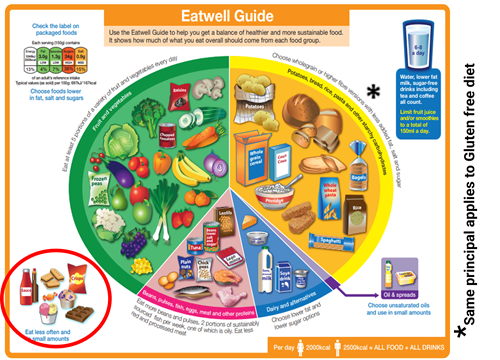
- Share reliable public health guidance such as the EatWell Guide
- Signpost to trustworthy resources on healthy cooking and budgeting
- Provide information on reducing sugar & salt intake
- Actions should be person-centred, based on what they feel ready to try.
Conversation tips
- Keep it positive and encouraging — focus on small, achievable changes.
- Normalise challenges: healthy eating can be difficult when life is busy or expensive.
- Highlight the benefits of home cooking: cost savings, healthier meals, confidence.
- Avoid judgement — support their choices and goals.
- Share quick wins: swapping sugary snacks, reducing salt, adding one extra fruit or veg.
- Highlight the ‘Empty Calories’
Resources
- EatWell Guide – official public health guidance for a balanced diet
- Adult Learning Service – opportunities to learn cooking and budgeting skills
- Action on Sugar – tips on reducing sugar intake
- Action on Salt – guidance on reducing salt
- Healthy cooking on a budget – widely available online resources and recipes
Healthy weight
ASK
- “You mentioned feeling quite tired lately — sometimes our energy levels can be affected by what we eat and how active we are.
- How do you feel about your current eating habits or activity levels
ASSESS
- “That’s understandable — it’s not always easy, especially with busy routines.
- Some people find small changes help, like swapping sugary drinks for water or adding a short walk into their day”.
ACT
- “There’s free local help if you’d like it.”
- If they’re not ready: “No problem at all — if you ever want to chat about it again, just let me know.
- Even small steps can make a big difference.”
Conversation tips
- Healthy weight is a by-product of following a healthy lifestyle. So, it’s important to reframe our mindset
- Keep it non-judgemental and person-centred.
- Focus on small, achievable goals.
- Avoid using terms like “obese” or “overweight”; instead talk about healthy lifestyle, wellbeing, or feeling your best.
- Always check if they’re open to a chat before giving advice.
Resources
- Healthy Weight page – West Northamptonshire Council: Public health advice, BMI information, guidance on healthy weight, weight-management support via Gro Health
- Northamptonshire Healthcare NHS Foundation Trust (NHFT) – Dietetics & Weight Management Service: 1-to-1 or group sessions for adults & children; dietary advice, weight management support, lifestyle guidance
- NHS – “NHS Weight Loss Plan”
- NHS “Eat Well” & Healthy Eating Guidance
Self-care and National Support Services
If you think the person you are concerned about is in immediate danger or needs urgent care, please call 999.
Whilst there are some amazing national services available, we recommend a local first approach. A list of local services can be found at the foot of this text
Street Link is a national service which can be used by members of the public if they see people sleeping rough. Referrals can be made using the hotline (0300 500 0914) or online at Street Link.
This service aims to connect rough sleepers with appropriate services, both statutory and voluntary. Local resources for rough sleepers vary greatly across the country. They can include day centres, contact and assessment teams, soup kitchens and soup runs. Details of such resources can often be obtained by contacting local authorities.
Street assessment teams give rough sleepers information about available health care, night shelters and hostels, and other resources for homeless people. Some hostels and night shelters will only take referrals from a contact and assessment team worker. Some outreach teams will work with people on a long-term basis.
Information on over 9,000 services - hostels, day centres and other advice and support services for homeless people and those at risk of homelessness can be found at: www.homelessuk.org/
Not sure which local authority area to choose? If you know a postcode you can check which local authority area here.
Local Support Services
ASK
- Explore housing needs
- “How are things right now?”
ASSESS
- Listen for issues
- Safety, warmth, affordability, risk of homelessness.
- “Let’s see what support options might help.”
ACT
- Encourage early action
- Signpost and support access to housing advice.
Conversation tips
- Stay calm, neutral, non-judgemental
- Focus on safety & stability
- Break options into clear steps
- Remind them they do have choices
- Escalate if there is immediate risk
Resources 
- Homelessness | West Northamptonshire Council– guidance, eligibility, homelessness duty
- Northampton Hope Centre - Homelessness, hunger, hardship support
- Northants Warm Homes Partnership – fuel bills, insulation, energy advice
- Better Housing Better Health (BHBH) – referrals for home energy & safety help
- Homeless Link- Assessment of entitlement to housing for people who are homeless or threatened with homelessness
- WNC Housing Info; local support pathways
- Armed Forces Housing Support
Self-care and National Support Services
National Support Services
Dementia Connect
Dementia Connect, Alzheimer's Society's dementia support service, is free, easy to access, and puts you in touch with the right support. From local help to phone and online advice.
Alzheimer’s Society’s dementia advisers can support you directly by phone or face to face, as well as connect you to a range of local services.
Web: Dementia Connect for healthcare professionals | Alzheimer's Society (alzheimers.org.uk)
The NHS
It's normal for your memory to be affected by stress, tiredness, certain illnesses and medicines. But if you're becoming increasingly forgetful, particularly if you're over the age of 65, it's a good idea to talk to a GP about the early signs of dementia. Memory loss can be annoying if it happens occasionally, but if it's affecting your daily life, or it's worrying you, or someone you know, you should get help from a GP.
Web: https://www.nhs.uk/conditions/dementia/diagnosis/
The Alzheimer's Society
Alzheimer’s Society is the UK’s leading dementia charity. We campaign for change, fund research to find a cure and support people living with dementia today.
Web: https://www.alzheimers.org.uk/
The dementia guide: Living well after your diagnosis
Caring for a person with dementia: A practical guide
Tel: Dementia Connect Support Line: 0333 150 3456
Other Key links
Dementia UK - Dementia Helpline (support from dementia specialist admiral nurses): 0800 888 6678
Tide - Together In Dementia Everyday: Telephone: 0151 237 2669 Email: Carers@tide.uk.net
Carers UK- Making life better for carers: Telephone: 020 7378 4999
Self Care
We can’t change our age or our genes, and there is currently no way we can completely prevent dementia. However, there are some simple steps we can all take to help lower our risk.
Risk factors for cardiovascular disease (like high blood pressure and stroke) are also risk factors for dementia, so what is good for your heart is good for your brain. Looking after your health, cutting out smoking and being physically active on a regular basis will help lower your risk of cardiovascular disease. It’s likely you’ll be lowering your risk of dementia too, particularly vascular dementia and Alzheimer’s disease.
For good heart health:
- don’t smoke
- keep cholesterol and blood pressure under control
- be active and exercise regularly
- maintain a healthy weight
- eat a healthy balanced diet
- drink fewer than 14 units of alcohol per week.
Web: https://www.alzheimersresearchuk.org/dementia-information/reducing-the-risk/
Herbert Protocol
The Herbert Protocol is a national scheme that encourages carers, family and friends to provide and put together useful information, which can then be used in the event of a vulnerable person going missing.
Carers and / or relatives and friends can complete a form in advance, including important information about the missing individual such as the contact numbers, medication needed, locations the person was last seen and so forth also a photograph can be provided.
West Yorkshire Police - The Herbert Protocol Missing Person Incident Form | West Yorkshire Police - For patients known to wander
South Yorkshire Police - Herbert Protocol - SYP (southyorks.police.uk)
North Yorkshire Police - Dementia and the Herbert Protocol - North Yorkshire Police | North Yorkshire Police
Humberside Police - The Herbert Protocol | Humberside Police
Please see below for more information and contact details in your local area.
Local Support Services
ASK
- Gently explore concerns.
- “Have you noticed any changes in your memory or daily routines?”
ASSESS
- Listen with empathy, normalise their feelings.
- “Many people experience memory changes. Support is available.”
- Share simple info: GP check, memory clinic, local dementia services.
ACT
- Encourage seeking professional assessment.
- Signpost to support (GP, Alzheimer’s Society, local services. See the resources on the right).
- “Let’s look at the right next steps together.”
Conversation tips
- Use simple, clear language and allow extra time to respond
- Be patient and avoid correcting or challenging their memory
- Acknowledge feelings and offer reassurance
- Explore safety and support gently, focusing on what they can still do
Resources
- NHFT Dementia Hub: Call: 01604 408365 https://www.communityspacesnn.org/
- Northamptonshire Memory Assessment Service Call: 03000 272 344 www.nhft.nhs.uk/mas
- Admiral Nursing Service: These specialist dementia nurses offer free advice and support to families. The service is provided by the charity Dementia UK in partnership with the NHS. www.dementiauk.org
- Alzheimer's Society: The UK's leading dementia support and research charity. Call: 01832 736670 www.alzheimers.org.uk
- Northamptonshire Carers: Call: 01933 677907 (option 2) www.northamptonshire-carers.org
- Age UK Northamptonshire: A local charity offering a range of services for older people. www.agenorthamptonshire.co.uk
- Rare Dementia Support: A UK-based service for those affected by less common forms of dementia. www.raredementiasupport.org
- renew169 Wellbeing Café (Towcester): A welcoming space that hosts sessions for people with mental & emotional health difficulties. www.renew169.org.uk
Self-care and National Support Services
Give reassurances that there are lots of sources of support
If you are worried that this person is in crisis, please see section for Suicide Prevention
If no immediate risk take the following steps:
Encourage them to ring:
Samaritans - (All age groups)
Tel: 116 123, open 24 hours a day.
Papyrus - (Young people)
Tel: 0800 068 41 41
Text: 07786209697
Email: pat@papyrus-uk.org
Opening hours
Mon-Fri: 10am-10pm, weekends: 2pm-10pm & bank holidays: 2pm-5pm
SELF CARE
Better Health - Every Mind Matters
Better Health Every Mind Matters website. NHS-assured information & advice on common mental wellbeing concerns: anxiety, stress, low mood & poor sleep
Tips to manage mental wellbeing based on Mind’s ‘5 ways to wellbeing’.
Plus self-help CBT techniques section Life’s challenges - practical tips on dealing with drivers of poor mental health eg coping with money worries and job uncertainty, maintaining healthy relationships and loneliness
The Mind Plan – free, personalised plan. Answer 5 quick questions on how you’ve been feeling over the last 2 weeks and you’ll get recommendations on practical self-care actions that could help. You can customise the plan and get it emailed to you
Free email support programmes – complete the Mind Plan to sign up for regular emails with further tips on building wellbeing actions into everyday life, or go to the “anxiety” page to sign up for a tailored email programme with expert advice and practical tips to help deal with anxiety
Support Services - Adults
Adults can self-refer to Improving Access to Psychological Therapies (IAPT) services. IAPT is a national NHS programme, which offers evidence based psychological therapies or interventions approved by the National Institute of Health and Clinical Excellence (NICE). IAPT is primarily for treating people with mild to moderate mental health issues such as anxiety disorders, depression and post-traumatic stress disorder.
IAPT treatments are delivered via a stepped care model where patients are initially offered low intensity therapies, such as computerised cognitive behavioural therapy (cCBT) and guided self-help. If these treatments are unsuccessful, or not appropriate for individuals, higher intensity therapies are utilised and include one to one cognitive behavioural therapy (CBT) or interpersonal therapy (IPT). Please see local support and contact details for further information.
Support Services - Men
Men's Sheds Association
Website: https://menssheds.org.uk/
There are several established sheds across the patch, all very welcoming to those experiencing mental health difficulties or isolation. The provide great local asset based work and opportunities for men of all ages to meet, talk and take part in varied group activities
Andy's Man Club
Provides a weekly talking group, a place for men to talk about issues/problems they have faced or are currently facing.
For information about how to connect with clubs please email info@andysmanclub.co.uk and the team will be able to assist.
Website: Andys Man Club | #ITSOKAYTOTALK |
Support Services - Veterans
Veterans Combat Stress is the UK's leading mental health charity for veterans. They offer free, confidential 24-hour support to Service and ex-Service personnel who are experiencing mental health issues, including feeling suicidal.
Tel: 0800 138 1619
Web: https://www.combatstress.org.uk/help-you
Support Services - Perinatal
PANDAS Foundation
The PANDAS Foundation is here to help support and advise any parent who is experiencing a perinatal mental illness. We are also here to inform and guide family members, carers, friends and employers as to how they can support someone who is suffering.
Tel: 0843 2898401 (0900 - 2000 hrs, 7 days per week)
Web: http://www.pandasfoundation.org.uk/
Support Services - Carers
The Carers Trust
It is important that you take care of your own health, even if you are busy looking after someone else's health. Being healthy is not only important for you, but it also helps the person you care after too. The website contains some helpful guides on relationship management and information on self-care and respite care.
Support Services - Children and Young People
Children and Young People can contact the 'The Mix which is a leading support service that can help young people to take on any challenge they are facing - from mental health to money, from homelessness to finding a job, from break-ups to drugs.
- Tel: 0808 0808 4994 (Freephone)
- Web: http://www.themix.org.uk/
Talk about the Five Ways to Wellbeing. The mental health equivalent to the dietary advice to have ‘5 a day’ fruit and vegetables for physical health.
1. Connect - With the people around you. With family, friends, colleagues and neighbours. At home, work, school or in your local community.
- As being well connected is good for your mental wellbeing… Is there anything you could be doing more of?
- Can you think of connections that you would like to make or remake?
2. Be Active - Go for a walk or run. Step outside. Cycle. Play a game. Garden. Dance. Exercising makes you feel good. Most importantly, discover a physical activity that you enjoy; one that suits your level of mobility and fitness.
- What activities do you engage in on a regular basis? How would I like to develop this?
- Are there any minor adjustments you can make in your life that can help you to be more active?
3. Take Notice - Be curious. Catch sight of the beautiful. Remark on the unusual. Notice the changing seasons. Savour the moment, whether you are on a train, eating lunch or talking to friends.
- How can you practice slowing down and pausing more often?
- What difference will incorporating this into your daily life make?
4. Keep Learning - Try something new. Rediscover an old interest. Sign up for that course. Take on a different responsibility at work. Fix a bike. Learn to play an instrument or how to cook your favourite food. Set a challenge you will enjoy achieving.
- What would you like to learn about? What interests you? What do you value? What would you find useful?
- What do you need to do to make learning something you look forward to?
5. Give - Do something nice for a friend, or a stranger. Thank someone. Smile. Volunteer your time. Join a community group. Look out, as well as in.
- Do you notice what it’s like for you when you give to others?
- What else could you give others that you hadn’t thought of before?
Local Support Services
ASK
- Gentle, open approach
“How have you been feeling lately?”
ASSESS
- Listen & acknowledge low mood, stress, worry, overwhelm.
- “Thanks for sharing — that sounds really hard.”
ACT
- Support simple next steps
- Self-help tools, local groups, or GP if needed.
Conversation tips 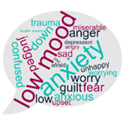
- Stay calm, patient, non-judgemental
- Validate feelings — 1 in 4 experience mental health challenges
- Encourage early help-seeking
- Focus on what matters to them
- Promote small, achievable changes
- Escalate if any safety concerns arise
Key Wellbeing Messages
- Five Ways to Wellbeing
- Action for Happiness (free tools & calendars)
- Early support prevents problems getting worse
- “You’re not alone” — normalise help-seeking
Resources
- Every Mind Matters - NHS– personalised wellbeing plan
- Talking Therapies (IAPT/NHFT) – self-referral for stress, anxiety, low mood
- GP Support – for ongoing concerns
- Local Community Groups & Wellbeing Hubs
- Mind / Rethink Mental Illness – advice & support
- YoungMinds | Mental Health Charity For Children And Young People | YoungMinds
- SENDS 4 Dads – support for dads & male carers of children/adults with SEND
- If needed, check emergency contact info: WNC Urgent mental health
Self-care and National Support Services
You may want to share details of the one of the organisations below who specialise in providing support for victims of Modern Slavery
You may want to share details of the one of the organisations below who specialise in providing support for victims of Modern Slavery
UK – Salvation Army
The Salvation Army provides specialist support for all adult victims of modern slavery in England and Wales. Their confidential referral helpline is available 24 hours a day.
Tel: 0800 808 3733
Childline
Childline provide free, confidential support to children about any topic, including modern slavery and human trafficking. Children can speak to a counsellor on the phone:
Tel: 0800 1111 (Available 7.30am-1.00am every day)
NSPCC
If you’re worried about a child, even if you are unsure, the NSPCC helpline is available 24 hours a day for advice from a trained counsellors.
Tel: 0808 800 5000
Pay and Work Rights Helpline
For cases of exploitation that do not meet the threshold for modern slavery
Tel: 0300 123 1100
Local Support Services
Your awareness and care can help someone find freedom and safety
ASK-Spot and Start the Conversation
- “Are you okay? You seem worried — is there anything you’d like to talk about?”
- “Do you feel safe where you live or work?”
- “Is anyone stopping you from leaving or contacting your family?”
(Be gentle, private, and avoid asking detailed or leading questions.)
ASSESS- Listen and Reassure
- Stay calm and show empathy — don’t confront or make promises.
- Let them know help is available and they’re not alone.
- If they disclose concerns, explain that you may need to share this to keep them safe.
ACT-Know Where to Get Help
- If someone is in immediate danger, call 999.
- Document and share information following your organisation’s safeguarding policy.
Conversation tips
- Modern slavery can affect anyone — in homes, workplaces, or the community.
- Victims may appear frightened, isolated, or unable to speak freely.
- A simple, compassionate conversation can help someone feel seen and supported.
- Use gentle, private, non-judgemental questions to explore concerns
- Listen carefully for signs of fear, control, or restricted freedom
- Reassure them they are not to blame and support is available
- If they disclose or you suspect risk, follow safeguarding procedures immediately
Resources

- For advice or to report concerns, call the Modern Slavery Helpline ; unseen (08000 121 700).
- You can also contact Northamptonshire Safeguarding Adults Board (NSAB)
- Crimestoppers (0800 555 111)
- Modern slavery and human trafficking | West Northamptonshire Council
Self-care and National Support Services
National Support
Do you think you would benefit from some further support to spend more time in Nature and Greenspaces?
Nature and Mental Health
- Thriving With Nature | Mental Health Foundation Guide containing suggestions for seasonal activities to help people engage with nature, and personal stories.
- Walking with Nature: Notice three good things - Paths for All | Paths for All Connect with nature on your walks by noticing three good things in nature. Free Guide.
- Natural Environment- National Academy for Social Prescribing | NASP Helping People Connect with Nature for Better Health and Wellbeing
- Bring people closer to nature | The Wildlife Trusts Materials and resources available and offer a Wellbeing Through Nature course
Nature and Physical Activity
- Parkrun UK Free, weekly events around the country. Events are in parks and open spaces. Walk, run, jog, volunteer or spectate.
- Places to visit | Yorkshire Wildlife Trust (ywt.org.uk) Discover Nature reserves near you. Includes address/map, accessibility and difficulty levels.
- Home | National Trust Ideas for days out, parks, discover and learn about nature
Nature and Community
- Social Farms & Gardens | (farmgarden.org.uk) UK wide charity supporting communities to farm and garden.
- Ramblers Bringing people together to enjoy walking and outdoor pursuits. Includes Walking for Health and Wellbeing walks.
- Wildlife Actions - Quick Wins for Wildlife.pdf (ywt.org.uk) Things you can do at home/in your community to connect with nature.
Nature and Conservation
- The RSPB Wildlife Charity: Nature Reserves & Wildlife Conservation Find a place to visit with birds and wildlife.
- TCV | The Conservation Volunteers Connecting people and greenspaces on their doorsteps
Can you think of opportunities that you may have to connect with and spend time in nature? Suggestions include:
Outdoor:
- Walks in nature
- Bird watching
- Conservation volunteering
- Green gym
- Volunteering for local charities – nature based, animal-based
- Gardening, growing and horticulture activities
- Art and nature – creative activities
- Watching nature
- Visiting nature and local greenspaces
- Open water swimming
- Horse riding
- Cycling
Indoor:
- Decorate with plants and flowers. Use of window-sills, side-boards, and hanging plants from above can bring a welcome burst of green and colour indoors.
- Use natural textiles around the home to create a more natural feel.
- Grow herbs on window-sills. Most supermarkets sell a range of herbs or try growing from seed. Most herbs just need sunlight and moisture.
- Do a nature table. Decorate a focal point e.g. a crate or box with natural objects.
- Listen to nature sounds such as birdsong and sea waves. Use apps like Spotify or Alexa to listen to a mixture of sounds. RSPB have a ‘Birdsong’ radio app.
- Let natural light in and open windows.
- Watch nature documentaries and films.
- Use the colour green as much as you can. It is calming and soothing.
- Do seasonal displays e.g. leaves and conkers in the autumn and consider doing artwork with a nature theme.
Local Support Services
ASK – Start the Conversation
- “Do you get a chance to spend time outdoors?”
- “How do you feel after a walk or time in the garden?”
- “Are there any parks or green areas you like nearby?”
ASSESS – Explore Possibilities
- “Would you like info on local green spaces?”
- “Have you heard of local walking groups or volunteering?”
- “Even sitting outside or adding plants can help.”
ACT – Support Small Steps
- Help them take action or connect to local offers
- Encourage “5 minutes in nature” breaks
- Share links to local parks, walking routes, or community gardens
- Signpost to social prescribing or green wellbeing schemes
Conversation tips 
- Why it matters?!
- Time in nature supports mental & physical wellbeing.
- Green spaces encourage activity, connection, and relaxation.
- Even small daily contact with nature can boost mood and reduce stress.
Resources
Self-care and National Support Services
Self-Care - Adults
Healthy brushing advice: (Click here for further information)
- brush at least twice daily, last thing at night and at least on one other occasion with a fluoridated toothpaste
- spit out after brushing and do not rinse (Spit, Don’t Rinse!), to maintain fluoride concentration levels
- use fluoridated toothpaste (1,350-1,500ppm fluoride)
Eat Well (See Act section of MECC Link – Healthy Eating)
Quit Smoking (See Act section of MECC Link - Smoking)
Reduce your Alcohol intake (See Act section of MECC Link - Alcohol)
Finding a dentist
Routine dental care:
- The NHS website enables you to find local NHS services, including dentists. You will need to contact the dental practice directly and check whether they are currently accepting NHS patients
Urgent dental care:
- call your dentist: some practices offer appointments at short notice
- if you don't have a dentist, find one using NHS 111
Self-Care Children
Healthy brushing advice: (Click here for further information)
- brush at least twice daily, last thing at night and at least on one other occasion with a fluoridated toothpaste
- spit out after brushing and do not rinse (Spit, Don’t Rinse!), to maintain fluoride concentration levels
- use fluoridated toothpaste:
- Children aged up to 3 years: use a smear of toothpaste containing no less than 1000 parts per million fluoride
- Children aged over 3 years use a pea size amount of fluoride toothpaste containing 1350 -1500 parts per million fluoride

Try and keep within the recommended intake of free sugars which is no more than:
- 19g (5 sugar cubes) per day for 4 to 6 year olds
- 24g (6 sugar cubes) per day for 6 to 10 year olds
- 30g (7 sugar cubes) per day for 11 years and older
Finding a dentist
Routine dental care:
- The NHS website enables you to find local NHS services, including dentists. You will need to contact the dental practice directly and check whether they are currently accepting NHS patients
- Take your child to the dentist when their first teeth come through
- Take your child with you when you visit the dentist, so they may receive preventive dental care
Urgent dental care:
- call your dentist: some practices offer appointments at short notice
- if you don't have a dentist, find one using NHS 111

Local Support Services
ASK
- “How do you feel about your oral health?”
- “Is brushing, flossing or dental care something you’d like help with?”
- Use open, non-judgemental discovery questions.
ASSESS
- Explore current habits: brushing, flossing, diet, smoking, alcohol, dental visits.
- Identify barriers: pain, cost, appointments, confidence, access to a dentist.
- Acknowledge their response with active listening and empathy.
ACT
- Offer simple, personalised advice based on what they want.
- Encourage small steps: twice-daily brushing, reducing sugary snacks/drinks.
- Signpost to local dental services or NHS advice.If needed, support them to access urgent or routine dental care.
Conversation tips
- Normalise concerns: “Lots of people find oral health tricky to keep on top of.”
- Keep it positive—focus on what’s going well first.
- Link oral health to overall wellbeing (diet, smoking, diabetes, confidence).
- Avoid judgement; emphasise “little changes” rather than perfection.
Resources
- Dental health | West Northamptonshire Council (westnorthants.gov.uk)
- How to find an NHS dentist - NHS (www.nhs.uk)
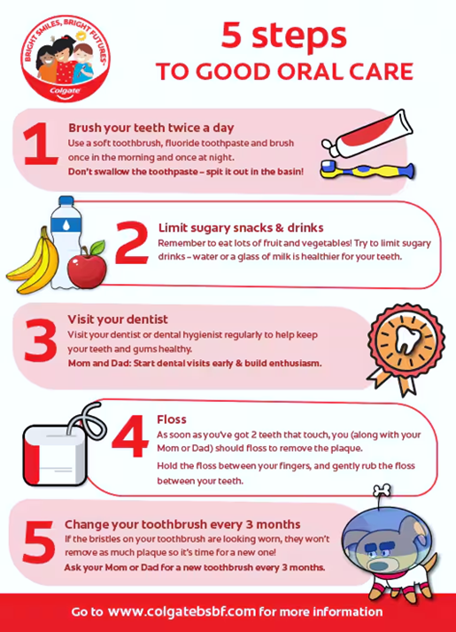
Self-care and National Support Services
Self Care
Get Active - Better Health
The 'Get active - Better Health' - NHS (www.nhs.uk) - website includes access to free online exercise routines you can do at home and offers from approved partners
Active 10 walking app - track your walking habits to increase the number of brisk minutes, which is when the health benefits will be greatest. No Lycra required, and there are lots of benefits of getting out into local green spaces like parks for your mental health too. Available from the App Store and Google Play
Couch to 5k app - easy to follow, flexible programme to get you running 5k in as little as 9 weeks, or longer if you want. Listen to your preferred music player as you run, between motivational messages from your chosen celebrity “coach”. Track your achievements and collect awards as you progress. Available from the App Store and Google Play
How to be more active - Regular physical activity is good for our bodies and minds, but it can be difficult to get started – especially if we're not particularly sporty or have not done any exercise for a while.
Home workout videos - We could all do with a boost to feel better right now – and you don't even need to leave the house to do it! Exercise is great for your mind as well as your body, so clear some space and follow along with our 10-minute home workouts.
Park Run
Why not join a Parkrun in your local area? Did you know that one of the best things about Parkrun and Junior Park run is that you can run, or jog or walk entirely at your own pace. This makes it accessible for those who never could envisage running 2k or 5k and creates an environment where people feel welcome. For those who don’t wish to run, jog or walk there is always the opportunity to volunteer to support your local Parkrun. There is probably a Parkrun local to you…visit http://www.parkrun.org.uk/ for more information.
Local Support Services
ASK
- “How active do you feel you are in a typical week?”
- “What kinds of movement do you enjoy or find easy to fit in?”
ASSESS
- Explore current routine: walking, work activity, daily movement.
- Identify confidence, motivation, and any barriers (time, health, mood).
- Check if small increases feel achievable (e.g., adding 10-minute bursts).
ACT
- Encourage one small next step: a short walk, stretch break, or trying a new local activity.
- Reassure: Every 10 minutes counts.
- Share that adults should aim for 150 mins/week (30 mins, 5 days) in ways that suit them.
- Offer tailored options, especially if living with a health condition.
Conversation tips
- Keep it positive and person-centred: “What feels realistic for you?”
- Normalise starting small—incremental changes build confidence.
- Highlight that activity can be social, fun, and low-cost.
- Reinforce that movement can be adapted to any ability or condition.
Resources 
- WNC Being Active: West Northamptonshire Council website.
- WNC Walks Programme: Free, sociable group walks led by trained volunteers.
- Better Health – Get Active: Tips, tools, and special offers to support moving more.
- Northamptonshire Sport & Northamptonshire Walks: Local activities and groups.
- We Are Undefeatable: Support for being active with long-term health conditions.
- Couch to 5k (NHS): Structured programme for beginners to start running.
Self-care and National Support Services
Self Care
- For information about sexual health and contraception visit the FPA sexual health charity website www.fpa.org.uk or the sexual health pages of www.nhs.uk
- You can call the national sexual health helpline free on 0300 123 7123. Calls will be treated with sensitivity and in strict confidence. The Sexual Health Helpline is open from 9am-8pm, Monday-Friday.
- Posters and leaflets can be ordered through the NCSP website or more information can be found via NHS choices
Support Services - Children and Young People
Children and Young People can contact the 'The Mix which is a leading support service that can help young people to take on any challenge they are facing - from mental health to money, from homelessness to finding a job, from break-ups to drugs.
- Tel: 0808 0808 4994 (Freephone)
- Web: http://www.themix.org.uk/
Local Support Services
ASK
- “Can I check in about relationships or sexual health—would that be okay?”
- “How confident do you feel looking after your sexual health?”
- “Would you like information about contraception, STIs or HIV?”
ASSESS
- Explore what they already know about contraception, safer sex, STIs.
- Check if they have concerns: unprotected sex, missed pills, symptoms.
- Be sensitive, non-judgemental and reassure confidentiality.
ACT
- Provide simple, factual information based on what they’ve asked.
- Signpost to sexual health services for testing, contraception or emergency care.
- Encourage timely support if worried about pregnancy or STIs.
- Support them to access local clinics or online information.
Conversation tips
- Normalise the topic: “Lots of people have questions about sexual health.”
- Use clear, stigma-free language.
- Focus on safety and choice rather than blame.
- Reassure confidentiality and respect for privacy
Resources 
- WNC Sexual Health Services – testing, treatment, contraception.
- Sexwise – reliable advice on contraception & STIs.
- Start With Me – information on HIV, testing & prevention.
- NHS Sexual Health (live well) – national guidance.
- Sexual Health Helpline: 0300 123 7123 (confidential advice). Open from 9am-8pm, Monday-Friday and Saturday-Sunday 11am to 4pm.
Self-care and National Support Services
NATIONAL SUPPORT
- Call the free Smokefree National Helpline to speak to a trained, expert adviser on 0300 123 1044. All lines are open Monday to Friday 9am to 8pm and Saturday and Sunday 11am to 4pm*
- Better Health quit smoking website which includes information about the benefits of quitting, advice on various quitting aids and a local stop smoking service lookup tool
- NHS Quit Smoking App (Apple) or NHS Quit Smoking App (google/android) - a 28-day programme that provides practical support, encouragement, and tailored clinical advice on your mobile/tablet. Includes a savings calculator so you can see how much money you're saving.
- Get a free Personal Quit Plan Quitting smoking is easier with the right support. Give up for 28 days, and you're 5 times more likely to quit for good – get your plan now!
- You can also speak to your doctor, pharmacy team or local Stop Smoking Service for expert advice on stop smoking medicines.
SELF CARE
- Download the NHS Quit Smoking app from apple or google/android
- Get further information from the National Health Service www.nhs.uk/quit
- Consider using e-cigarettes to stop smoking
- Get daily email support - If you would like some extra support, you can sign up for 28 days of stop smoking advice and tips – delivered straight to your inbox. Sign up for email support
- Find your online community - You do not have to do it alone – join others going through the same thing in a friendly and supportive environment. Join the Quit Smoking Support Group on Facebook
Emphasise that quitting will the best thing they will ever do and the NHS Smokefree service can provide the friendly and helpful support they need to quit for good
Support Services - Children and Young People
Children and Young People can contact the 'The Mix which is a leading support service that can help young people to take on any challenge they are facing - from mental health to money, from homelessness to finding a job, from break-ups to drugs.
- Tel: 0808 0808 4994 (Freephone)
- Web: http://www.themix.org.uk/
Local Support Services
Smoking
ASK
- “Have you thought about quitting smoking?”
- “You’re more likely to quit successfully with the WNC Stop] Smoking Service — would you like more information?”
- “Every cigarette you resist lowers your risk of heart disease, cancer and stroke.”
- Mention cost-of-living: “Quitting can save a significant amount of money.”
ASSESSS
- How that support is available if they want to quit.
- Explain the 12-week Stop Smoking Programme (NRT + behavioural support).
- Explore and amplify personal motivation.
- Emphasise that the best results come from product + coaching.
- Ask permission: “Would it be okay if I referred you to the Stop Smoking Service?”
- Acknowledge their beliefs—don’t challenge or dismiss them.
ACT
- Offer a referral to the WNC Stop Smoking Service.
- Provide information on apps, tools, and community support if preferred.
- Encourage them to choose a quit date and plan ahead.
- If they’re not ready, leave the door open: “If things change, I’m here to help.”
Conversation tips
- Understand their concerns or fears about quitting.
- Stay non-judgemental and supportive.
- Use positive language to show you believe they can quit.
- Ask about previous quit attempts — what helped / what didn’t.
- Promote the benefits of quitting (health, financial, lifestyle).
- Offer support and have SSS details ready.
- Raise the issue at suitable opportunities.
Resources 
- Helpline: 0300 126 7000 Option 1 for West or 2 for North
- Secure Email: smoke.free@nhs.net (not for public)
- West Northants Stop Smoking Service: smokefree@westnorthants.gov.uk
- Self-Referral- Online form: Stop smoking | West Northamptonshire Council (westnorthants.gov.uk)
Self-care and National Support Services
Self Care
Although most people need some kind of social contact to maintain good mental health, everyone has different social needs. The person may be someone who is content with a few close friends, or they may need a large group of varied acquaintances to feel satisfied.
State that the simplest way to ease feelings of loneliness can be to try to meet more, or different, people.
- Can they think of anything they are interested in, a class or a group they have heard of, that could help connect them with new people? See Useful contacts for ideas of how to find groups
- Volunteering is a good way of meeting people. Helping others can also really help improve mental health. See useful contacts for organisations that can help someone find local volunteering opportunities.
- Join an online community. See useful contacts for some suggestions.
Loneliness in Men
Men's Sheds Association
Website: https://menssheds.org.uk/
There are several established sheds across the patch, all very welcoming to those experiencing mental health difficulties or isolation. The provide great local asset based work and opportunities for men of all ages to meet, talk and take part in varied group activities
Andy's Man Club
Provides a weekly talking group, a place for men to talk about issues/problems they have faced or are currently facing.
For information about how to connect with clubs please email info@andysmanclub.co.uk and the team will be able to assist.
Website: Andys Man Club | #ITSOKAYTOTALK |
Loneliness in Older People
- The Silver Line is the only free confidential helpline providing information, friendship and advice to older people, open 24 hours a day, every day of the year. Call 0800 470 8090. The Silver Line can also put you in contact with community activities in your local area
- Age UK has a befriending service to support loneliness in later life, this is where a volunteer visits an older person once a week in their own home. There is also telephone befriending Telephone befriending, where a volunteer befriender will phone an older person.
- NHS Choices has a range of advice on Loneliness including volunteering, continuing education and how to engage with social media and computers.
Loneliness in Younger People
- It is recognised that Loneliness is not something that is exclusive to older adult, indeed many younger adults in particular can experience loneliness and a recent report from the office for national statistics highlighted Britain as the loneliness capital of Europe.
- Whilst on the outside young people can be very well connected on social media but if this replaces face-to-face contact then it can add to a feeling of loneliness. Some people also present an idealised version of themselves online and we expect to have social lives like those portrayed in the media.
- Helplines can reduce loneliness, at least in the short term
- The Samaritans are available around the clock, 24 hours a day, 365 days a year. This number is FREE to call on 116 123
- Get Connected is a free confidential helpline for young people, where people can seek help with emotional and mental health issues often linked to loneliness.
- There are also support services on websites such as Mind's that can remind you you're not alone.
- It doesn’t really matter who you talk to first. Some ideas would include: a friend, family member, anonymous listening service like Nightline or the Samaritans, student union welfare rep, personal tutor, students support services staff member, counsellor, or doctor. Decide who is the best person for you to talk to first. Be realistic about what each person can offer. If it doesn’t work out, try someone else. Talk to more than one person.
Support Services - Children and Young People
Children and Young People can contact the 'The Mix which is a leading support service that can help young people to take on any challenge they are facing - from mental health to money, from homelessness to finding a job, from break-ups to drugs.
- Tel: 0808 0808 4994 (Freephone)
- Web: http://www.themix.org.uk/
Local Support Services
ASK
- “How have you been feeling lately — do you get to see or talk to many people?”
- “Do you ever feel a bit cut off or on your own?”
- “Is there anyone or anywhere you enjoy spending time with?”
ASSESS
- “There are local groups and activities — would you like me to find one nearby?”
- “Even a short daily chat or walk with others can help.”
- “Would you like to know about befriending or volunteer visiting services?”
ACT
- Share information about local community groups or libraries.
- Signpost to befriending or social prescribing services.
- Encourage reconnecting with family, neighbours, or interests.
Conversation tips
- Use gentle openers: “Who do you feel connected to at the moment?”
- Normalise the experience — many people feel lonely at times
- Listen without rushing to fix; acknowledge how hard it feels
- Explore what positive connection means for them (not one-size-fits-all)
- Encourage small steps — one activity, one group, one contact
- Highlight strengths: “You’ve already taken a positive step by talking about it.”
- Offer options, not pressure — let them choose what feels manageable
- Remind them they deserve connection and support
- Loneliness can affect mental and physical health as much as smoking or obesity.
- It can impact anyone — older adults, young people, carers, or newcomers.
- Small, caring conversations can help people feel noticed and connected again.
Resources
- Chatty Café Scheme | West Northamptonshire Council
- Welcoming Spaces | West Northamptonshire Council
- West Northamptonshire Council’s Social and Leisure Opportunities (Day Service) Council
- Libraries | West Northamptonshire Council
- About Family Hubs | West Northamptonshire Council
- Happy at Home | Voluntary Impact Northampton
- Team-Mates - Northamptonshire Sport
- The University Of The Third Age (u3a); info@u3a.org.ukand 020 8466 6139
- Northamptonshire Women's Institute
Self-care and National Support Services
Self Care
Flu vaccination is available every year on the NHS to help protect adults and children at risk of flu and its complications. Flu can be unpleasant, but if you're otherwise healthy, it'll usually clear up on its own within a week.
But flu can be more severe in certain people, such as:
- anyone aged 65 and over
- pregnant women
- children and adults with an underlying health condition (such as long-term heart or respiratory disease)
- children and adults with weakened immune systems
Anyone in these risk groups is more likely to develop potentially serious complications of flu, such as pneumonia (a lung infection), so it's recommended that they have a flu vaccine every year to help protect them.
Visit the NHS Choices Website for full information on the flu vaccine and who can is entitled to this and why
What else can I do to protect myself against the flu?
You have probably already heard of Catch it, Bin it, Kill it. This is still great advice!
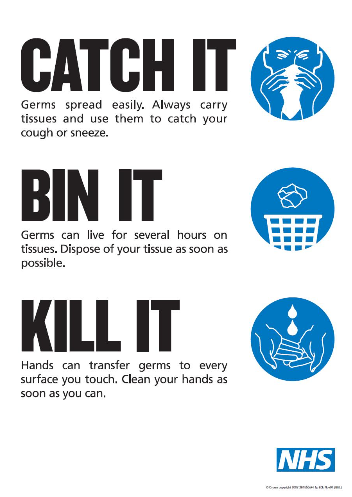
During flu season you should get into the habit of washing your hands regularly with soap and warm water, particularly after spending time amongst large groups of people, or having contact with someone who is sick.
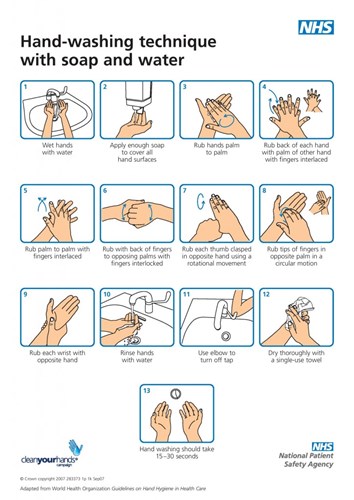
You should also keep shared surfaces (such as door handles and telephones) clean, and avoid sharing food, crockery, cutlery, or towels with any people who have the flu.
You can often treat the flu without seeing a GP and should begin to feel better in about a week
Flu symptoms come on very quickly and can include:
- a sudden fever – a temperature of 38C or above
- an aching body
- feeling tired or exhausted
- a dry cough
- a sore throat
- a headache
- difficulty sleeping
- loss of appetite
- diarrhoea or tummy pain
- feeling sick and being sick
The symptoms are similar for children, but they can also get pain in their ear and appear less active.
How to treat flu yourself
To help you get better more quickly:
- rest and sleep
- keep warm
- take paracetamol or ibuprofen to lower your temperature and treat aches and pains
- drink plenty of water to avoid dehydration (your pee should be light yellow or clear)
Please note that Antibiotics do not work for viral infections such as colds and flu, and most coughs and sore throats. In most cases your pharmacist should be the first point of call as they can help advise you on appropriate colds and flu remedies to help manage symptoms such as fever, headache, aches and pains, and fatigue.
National Support and Information Services
Key Websites:
NHS Conditions - Flu https://www.nhs.uk/conditions/flu/
NHS Vaccinations - Flu https://www.nhs.uk/conditions/vaccinations/flu-influenza-vaccine/
Local Support Services
Northamptonshire (West)
Winter wellbeing
❄️🩰☕️☃️🧦
ASK – Start the Conversation
- “How are you managing with the colder weather?”
- “Are you keeping your home warm enough and staying comfortable?”
- “Have you had your flu or COVID-19 vaccine yet this year?”
- “Do you know where to get help with heating or bills if you need it?”
ASSESS– Offer Tips and Information
- Remind people to keep warm, eat well, and stay active indoors.
- Encourage vaccinations to protect against winter illnesses.
- Suggest checking in on neighbours, relatives, or friends who may be vulnerable.
- Provide details about local warm spaces, energy support, or NHS 111 for non-urgent health issues.
ACT – Support Small Steps
- Share leaflets or links to local “Stay Well This Winter” campaigns.
- Signpost to Warm Homes schemes, Citizens Advice, or local councils for energy support.
- Encourage them to stock up on essential medications and keep emergency numbers handy.
Conversation tips
- Gently ask how they’re managing with staying warm, well, and connected.
- Be aware that cold weather can worsen existing health conditions — listen for clues.
- Check if they know where to get practical support (warm spaces, financial help, vaccinations).
- Encourage small actions: keeping warm indoors, staying active, staying in touch with others.
Resources
- Winter wellbeing | West Northamptonshire Council
- Household Support Fund - WNC | West Northamptonshire Council
- Winter vaccinations and winter health - NHS

Self-care and National Support Services
If you’re worried that someone is at immediate risk of taking their own life then phone 999, you should stay with that person until help arrives. Do not put your own safety at risk by getting physically involved.
If no immediate risk take the following steps:
Encourage them to ring:
Samaritans - (All age groups)
Tel: 116 123, open 24 hours a day.
Papyrus - (Young people)
Tel: 0800 068 41 41
Text: 07786209697
Email: pat@papyrus-uk.org
Opening hours
Mon-Fri: 10am-10pm, weekends: 2pm-10pm & bank holidays: 2pm-5pm
Other options include:
- contact their GP for an emergency appointment or call the out of hours service.
- call their Mental Health worker, if they have one.
- call their social worker or key worker, if they have one
- encourage to re-engage with mental health services if already engaged
- go through their Safety Plan with them
If they don’t want help, don’t push them. Sometimes it’s easy to want to try and fix a person’s problems, or give them advice but try and at least leave a couple of key telephone numbers with them for Samaritans any local support numbers for their area (Crisis teams etc).
It’s usually better for people to make their own decisions. Help them think of all the options, but leave the choice to them.
A person may not be suicidal but you may still be concerned
Encourage them to contact their GP, they will be familiar with their medical history and will be able to direct them appropriately which may include a referral to the Primary Care IAPT (Improving Access to Psychological Therapies). IAPT team are skilled in helping people 18 years old and older overcome emotional and mental difficulties like:
• Depression.
• Stress
• Anxiety
• Sleep problems
• Confidence and self-esteem problems
All the local IAPT services are listed under the 'Mental Health' section of MECC Link and can be found within the 'local support and contact details' section.
SELF CARE
- Mind 'The charity for better mental health' has an extensive range of self help resources available
- The NHS have has a range of self-help tools available
SUPPORT - MEN
Men's Sheds Association
Website: https://menssheds.org.uk/
There are several established sheds across the patch, all very welcoming to those experiencing mental health difficulties or isolation. The provide great local asset based work and opportunities for men of all ages to meet, talk and take part in varied group activities
Andy's Man Club
Provides a weekly talking group, a place for men to talk about issues/problems they have faced or are currently facing
For information about how to connect with clubs please email info@andysmanclub.co.uk and the team will be able to assist.
Website: Andys Man Club | #ITSOKAYTOTALK |
Support Services - Children and Young People
Children and Young People can contact the 'The Mix which is a leading support service that can help young people to take on any challenge they are facing - from mental health to money, from homelessness to finding a job, from break-ups to drugs.
- Tel: 0808 0808 4994 (Freephone)
- Web: http://www.themix.org.uk/
Training: The Zero Suicide Alliance
The Zero Suicide Alliance offer free scenario-based training. Anyone can take the 20 minute online awareness training today and gain the skills to save a life: https://www.zerosuicidealliance.com/suicide-awareness-training
Local Support Services
ASK
- Asking about suicide does not put the idea in someone’s head.
- Be direct, caring, non-judgemental.
- “Are you having thoughts of suicide?”
ASSESS
- Listening and connecting to support, not solving everything yourself.
- Listen calmly, acknowledge their feelings.
- “You’re not alone — support is available.”
- Encourage talking to GP, helplines, or trusted support.
ACT
- If at immediate risk, call 999.
- Follow safeguarding procedures.
- “Let’s find the right help together.”
Conversation tips
- Stay calm, listen without judgement, and take their feelings seriously
- Ask open, caring questions: “How are you coping right now?”
- Acknowledge their distress and reassure them they’re not alone
- Encourage immediate support (GP, crisis lines, emergency help if at risk)
Resources
- NHS 111
Call 111 – 24 hours every day
- Samaritans– for everyone.
Call: 116 123
Email: jo@samaritans.org
- SOS Silence of Suicide– for everyone
Call: 0808 115 1505 – 8pm to midnight Monday to Friday, 4pm to midnight Saturday and Sunday. Email: contact@sossilenceofsuicide.org
Call: 0800 068 41 41; Text: 07860 039967
Email pat@papyrus-uk.org
- Childline– for children and young people under 19
Call 0800 1111 – the number will not show up on your phone bill
Call 0800 58 58 58 – 5pm to midnight every day.
Visit the webchat page.
Training
- WNC Suicide Awareness and Prevention
- Mental Health and Suicide Prevention Training | West Northamptonshire Council (westnorthants.gov.uk)
- If someone trying to help a third party, ZSA suicide training: Free online training from Zero Suicide Alliance
Self-care and National Support Services
Connect with Resources: Inform veterans or their families about available resources, services, and support networks that can address any specific needs
SSAFA - The Armed forces Covenant Fund Trust
Contains links to support for:
- Alcohol
- Cost of living support
- Healthy Diet and Health Weight
- Mental Wellbeing
- Physical Health
- Smoking
- Social Isolation and Loneliness
- Suicide Prevention
Web: https://www.mecclink.co.uk/veteran-support/
Local Support Services
Northamptonshire (West)
🎖️
ASK – Start the Conversation
- Acknowledge their service and listen without assumptions
- “Have you ever served in the Armed Forces?”
- “How have things been since leaving service?”
- “Do you feel connected to any veteran networks?”
ASSESS – Explore Support Options
- Offer, don’t impose — focus on what feels comfortable for them.
- “Would you like details of local Armed Forces support groups?”
- “You can register for priority NHS care as a veteran.”
- “Royal British Legion, SSAFA, and Combat Stress can all help.”
ACT – Encourage Small Next Steps
- Share contact info for local veteran hubs or GP registration.
- Encourage joining community or peer groups.
- Follow up or raise awareness within your team.
Conversation tips
- Veterans may face challenges with health, housing, or employment after service.
- Many do not identify as veterans or know what support exists.
- Everyday conversations can help them feel recognised and supported.
Resources
- Armed Forces Covenant | West Northamptonshire Council
- Veterans Community Network https://vcn.org.uk/northamptonshire?utm_source=chatgpt.com
- Armed Forces Community Hub (West & North, Northants Council) – Association of Service Drop-In Centres
- Armed Forces Covenant Northamptonshire | Proudly supporting those who serve and their families.
Self-care and National Support Services
Local Support Services
Female Genital Mutilation (FGM)
What is it? FGM (Female Genital Mutilation) is the partial or total removal or injury of female genitalia for non-medical reasons, and it is illegal and harmful.
ASK
- Use open, sensitive questions.
- Avoid assumptions.
- Listen with empathy.
“Have you heard about FGM and how it affects health?”
ASSESS
- Share facts: illegal in UK, serious health risks.
- Validate feelings, reassure they’re not alone.
- Signpost to NHS / specialist FGM support.
“There’s free, confidential support available.”
ACT
- Follow safeguarding procedures.
- Mandatory reporting for under-18s.
- Refer & record appropriately.
“I’ll make sure you get the right support.”
Conversation tips
- Approach with empathy, not judgement.
- Use simple, clear, non-medical language.
- Be mindful of culture but clear about the law and health implications.
- Keep safeguarding at the forefront.
- Never promise confidentiality if a child is at risk. It’s considered as child abuse.
Resources
- Northamptonshire Domestic Abuse Service
- FGM support organisations | Northamptonshire Police
- Report child abuse | NSPCC (the National Society for the Prevention of Cruelty to Children)
- National FGM Centre – Developing excellence in response to FGM and other Harmful Practices
Self-care and National Support Services
Local Support Services
Vaping & e-cigarettes
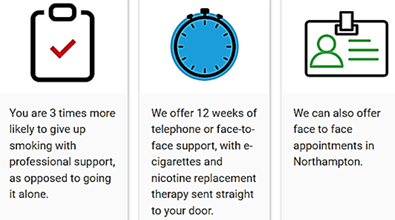
ASK
- “Do you vape? How do you feel it’s going for you?”
- “Are you using vaping to help you quit smoking?”
- “Have you been thinking about cutting down or stopping vaping?”
ASSESS
- Check why they vape (stop-smoking support, habit, stress, social).
- Clarify that vaping is safer for smokers but not recommended for non-smokers.
- Explore motivation: “What would be the benefit for you in reducing or stopping?”
- Discuss expectations if quitting (cravings, triggers, nicotine withdrawal).
ACT
- Encourage switching to Stop Smoking Service support if they are a smoker wanting to quit.
- For people who want to quit vaping, suggest:
- Gradually reducing nicotine strength
- Increasing time between vapes
- Setting a quit date and removing cues
- Signpost to local or NHS support if they need help.
Conversation tips
- Keep the tone non-judgemental — vaping is complex for many people.
- Focus on their goals (health, money, less dependence, moving away frNormalise struggles — cravings and habits take time to change.
- Encourage om nicotine).
- small, realistic steps (e.g., reducing frequency or strength).
Resources
Self-care and National Support Services
Local Support Services
Northamptonshire (West)
ASK
- “How are you managing day-to-day at home?”
- “Is anything becoming harder for you, or taking more effort than usual?”
- “Would support with daily tasks or staying independent be helpful?
ASSESS
- Explore needs around:
- Washing, dressing, personal care
- Foot care
- Shopping, meals, eating well
- Medication management
- Home safety or risks of abuse/neglect
- Consider whether they would benefit from a care and support assessment.
ACT
- Signpost or assist them to contact Adult Social Care (WNC) for support.
- Encourage early help to maintain independence and safety.
- If there are concerns about abuse or neglect, follow safeguarding procedures immediately.
Conversation tips
- Keep conversations gentle and practical — independence and dignity matter.
- Normalise asking for help; many adults need support as needs change.
- Focus on what would make daily life easier or safer for them.
- Reassure that support ranges from small adjustments to more structured help.
Resources
- Adult Social Care – West Northamptonshire Council Support with:
- Personal care (washing, dressing)
- Foot care
- Shopping, meals, eating well
- Medication support
- Reporting concerns about adults at risk:
- experiencing abuse or neglect
- at risk of being abused or neglected
- West Northsmptonshire Public Health Wellbeing links:
- Eating well
- Being active
- Mental health & wellbeing
- Healthy weight
- Sexual health
- Free NHS Health Checks
- Dental/oral health
Self-care and National Support Services
Local Support Services
Northamptonshire (West)

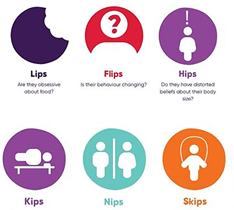
ASK
Gentle, non-judgemental opener
“I’ve noticed you seem stressed around food — how are things for you?”
ASSESS
Listen with empathy
Avoid appearance comments. Notice distress/red flags.
“Thank you for sharing — that sounds really hard.”
ACT
Encourage next steps
Suggest GP/NHS support. Follow safeguarding if needed.
“You don’t have to manage this alone — let’s find support.”
Conversation tips
- Be kind, curious, neutral
- Use open questions
- Validate feelings; avoid assumptions
- Normalise help-seeking
- Offer info, not pressure
- Leave the door open if they’re not ready
- BEAT Eating Disorders – Helpline: 0808 801 0677
- First Steps ED – Advice and support for anyone affected
- F.E.A.S.T. Families Empowered and Supporting Treatment of Eating Disorders
- Overeaters Anonymous Great Britain: Local support groups for people with eating problems.
- ARFID Awareness UK: The UK’s only registered charity dedicated to raising awareness and furthering information about Avoidant/Restrictive Food Intake Disorder.
- Northamptonshire Eating Disorder Service: For over 18s (with a GP in Northants). NEDS is countywide, multi-disciplinary, community service.
- Children and Young People Community Eating Disorder Service (Northamptonshire): A community specialist eating disorder service providing countywide treatment to children and young people from 5 years old up to the age of 18.
Self-care and National Support Services
Local Support Services
Northamptonshire (West)

ASK
- Explore how the person currently feels about work or finding work.
“How are you feeling about your employment situation at the moment?”
“Is working or volunteering something you’re thinking about?”
- Ask what strengths, skills, or interests they already recognise in themselves.
ASSESS
- Understand their current circumstances: skills, experience, confidence levels, and any barriers (health, caring responsibilities, lack of experience, etc.).
- Explore what kind of work, training, or volunteering they might be interested in.
- Identify their level of readiness: Are they exploring? Preparing? Actively applying?
ACT
- Provide information on where to get support with CVs, applications, training, and skill-building.
- Encourage small, achievable steps — updating a CV, exploring training, or considering volunteering.
- Signpost to local employment, volunteering, and adult learning services (see resources).
- Reinforce that support is available locally and that work or volunteering can positively impact wellbeing.
Conversation tips
- Highlight the wellbeing benefits: Being employed or volunteering can boost confidence, structure, and social connections.
- Encourage preparation: Keeping a CV up to date makes applications easier and less stressful.
- Promote learning: Adult learning courses can help people build new skills and confidence.
- Normalise seeking support: Job Centre Plus and local services are there to help — people don’t need to manage alone.
- Focus on strengths: Help the person recognise their value and transferable skills.
Resources
- Adult Social Care – LIVE Team
Support for adults (18+) with eligible needs to achieve goals around employment, independence, and volunteering. - Volunteering opportunities (WNC):
- West Northants Empowerment Project for NEET Support for young people not in education, employment, or training — CV help, soft skills, financial literacy, and employability training. Contact: Team@shudancic.co.uk
- Jobcentre Plus: Advice on benefits, job searching, skills development, and work preparation.
Self-care and National Support Services
Local Support Services
Northamptonshire (West)
ASK
Start the conversation, be curious, not critical, listen openly, show empathy, avoid assumptions.
- “How included do you feel at work / in this group?”
- “Do you think everyone’s voice is being heard?”
- “Is there anything that would help you feel more supported?”
ASSESS
Offer support or information, encourage awareness, learning, & connection.
- “Would it help to talk with our EDI lead or a staff network?”
- “We have short courses on inclusive practice — shall I send you the link?”
- “There are resources on inclusive language.
Would you like me to share them?”
ACT
Take or support small actions, Small actions → big culture change.
- Share EDI resources or training links
- Encourage safe reporting or feedback
- Adjust meetings, events, or services to be more inclusive
- Reflect on and model inclusive behaviour yourself
Conversation tips
When might an EDI conversation arise?
- Someone feels left out or unheard in a team or service
- Comments or behaviours seem unintentionally exclusive
- Questions about pronouns, faith needs, disability access, or inclusion
- Feedback about discrimination, bias, or microaggressions
- Noticing unequal access to opportunities or representation
Why it matters
- Every contact is a chance to promote fairness, respect, & belonging
- Small, supportive conversations can challenge exclusion & bias
- MECC helps create a culture where everyone feels valued & heard.
Resources
Self-care and National Support Services
Local Support Services
Northamptonshire (West)
☀️
ASK: How are you managing to stay cool and hydrated in this heat? Know the warning signs – dizziness, headache, confusion, or muscle cramps may signal heat exhaustion or heatstroke*.
ASSESS: Share simple cooling and hydration tips. Keep blinds closed, drink water, and cool down safely. stay out of the sun between 11am and 3pm.
ACT: Encourage checking on others at risk (elderly, children, isolated people) and knowing when to get help if feeling unwell.
Conversation tips
🏠Keeping Cool Indoors
- Open doors/windows early morning or overnight to bring in cool air.
- Close curtains/blinds on sunny sides during the day to trap cool air.
- Spend time in the coolest part of your home if possible.
- Turn down your boiler – cooler showers help reduce body heat.
- Use fans below 35°C; above that, they just move hot air.
- Turn off unnecessary lights/appliances – they generate heat.
🩵 Stay Hydrated & Eat Smart
- Drink plenty of water throughout the day.
- Encourage children to drink regularly.
- Avoid high-sugar drinks – they can worsen dehydration.
- Eat later in the evening when it’s cooler.
- Choose cold foods (salads, fruit, yoghurt) during the day.
👶 Keeping Children Cool
- Cool them down safely with sponging, spraying, or cold packs (neck, armpits).
- You can wrap them in a cool, damp sheet with a fan directed nearby (not directly).
💊 Medication Care
- Store medicines below 25°C, in a cool, dry place, away from sunlight or windowsills.
Resources:
Temperatures above 25°C increase health risks for:
- babies and young children
- older people
- homeless residents: (Rough Sleeping Team during office hours via StreetLinkand to the Council’s Out of Hours Emergency Service at all other times (0300 126 7000).
- outdoor/manual workers
- residents in flats
- those with long-term health conditions
- Guidance is available at: Heat health | West Northamptonshire Council
- *Seek medical help early – call NHS 111 if symptoms persist or worsen
Self-care and National Support Services
Local Support Services
Northamptonshire (West)
Why it matters to support reluctant service-users with MECC 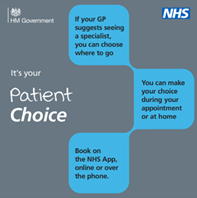
- NHS screening (e.g., cervical, breast, bowel, diabetic eye, AAA, pregnancy) help detect problems early.
- Some people decline due to fear, misunderstanding, cultural beliefs, or incorrect information.
ASK – Start the Conversation
- Notice cues (hesitation, questions).
- Use open questions: “What are your thoughts about the screening invitation?”
- “What’s your understanding of the screening offer?”
- Create a safe, non-judgmental space.
ASSESS – Explore Support Options
- Understand barriers: fear, low confidence, cultural beliefs, previous experiences, low health literacy.
- Check readiness to talk; avoid overload: “Is this a good time to talk about it?”
ACT – Encourage Small Next Steps
- Explain simply: purpose, benefits of early detection, what the test/check involves, what happens next.
- Correct misinformation gently.
- Encourage informed choice — not pressure.
- Reassure about privacy, dignity, and safety.
Conversation tips
- Validate feelings: “It’s completely normal to feel unsure, many people do.”
- Keep explanations simple; avoid jargon.
- Use culturally sensitive language and respect beliefs.
- Offer interpreters or translated materials if helpful.
- Provide leaflets or links if helpful.
Resources
- NHS screening
- Local MECC training & Health Literacy tools (WNC Public Health).
- NHS screening information leaflets (breast, cervical, bowel, AAA, diabetic eye, pregnancy).
- Signposting to GP practices, screening helplines, and community support services.
Further information
You can watch animations about NHS screening:
Screening programmes in England
Diabetic eye screening
- From the age of 12, all people with diabetes are offered regular diabetic eye screeningto check for early signs of diabetic retinopathy.
Cervical screening
- Cervical screeningis offered to women and people with a cervix aged 25 to 64 to check the health of cells in the cervix. It is offered every 3 years for those aged 25 to 49, and every 5 years from the ages of 50 to 64.
Breast screening
- Breast screeningis offered to women aged 50 to 70 to detect early signs of breast cancer. Women over 70 can self refer.
Bowel cancer screening
- Everyone aged 50 to 74 is offered a bowel cancer screeninghome test kit every 2 years.
- If you're 75 or over, you can ask for a kit every 2 years by phoning the free bowel cancer screening helpline on 0800 707 6060.
Abdominal aortic aneurysm (AAA) screening
- AAA screeningis offered to men when they turn 65 to detect abdominal aortic aneurysms (a dangerous swelling in the aorta). Men over 65 can self-refer.
Screening in pregnancy
The screening tests offered in pregnancy are:
- screening for hepatitis B, HIV and syphilis(infectious diseases)
- screening for Down's syndrome, Patau's syndrome and Edwards' syndrome
- screening for sickle cell and thalassaemia
- 20-week screening scanto check the physical development of the baby
- diabetic eye screening– available if you are pregnant and have type 1 or type 2 diabetes
Screening for newborn babies
- a physical examination, which includes the eyes, heart, hips and testicles
- hearing screening
- a blood spot testto check if the baby has any of 9 rare conditions
Self-care and National Support Services
Local Support Services
Northamptonshire (West)
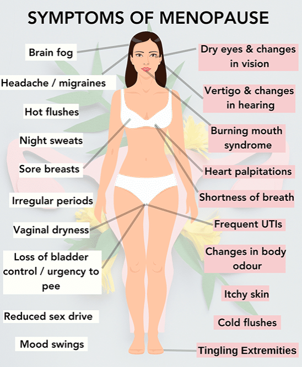
ASK
- “How have you been feeling lately? Any symptoms affecting your day-to-day?”
- “Are you experiencing changes that might be linked to menopause or perimenopause?”
- “Is anything making work, sleep, or daily activities harder at the moment?”
ASSESSS
- Gain a quick sense of what they’re dealing with:
- Symptoms: hot flushes, sleep problems, mood changes, heavy/irregular periods, pain, brain fog.
- Impact: work, relationships, caring roles, daily functioning.
- Awareness: “Have you spoken to anyone—like a GP or practice nurse—about this?”
- Support needs: emotional support? workplace adjustments? medical advice?
- Keep it light, empathetic, and non-judgmental.
ACT
- Guide them toward simple next steps:
- Encourage speaking with a GP about treatment options (HRT and non-HRT).
- Suggest lifestyle approaches that support symptoms: movement, sleep, stress reduction, cooling strategies.
- Promote the value of tracking symptoms (apps or paper).
- Signpost to trusted information and local support.
Conversation tips
- Why It Matters? Menopause and perimenopause can affect sleep, mood, energy, concentration, physical health and overall wellbeing. A brief, supportive chat can help someone feel understood and aware of available support.
- Normalise the experience: “Many people go through this, and support is available.”
- Avoid assumptions about age or gender—let them lead.
- Be sensitive to privacy and dignity.
- Focus on empowerment, not diagnosis.
Resources
- West Northamptonshire Health & Wellbeing Hub – menopause wellbeing guidance, healthy lifestyles support.
- GP Practice / Practice Nurse – menopause review, treatment options, HRT discussions.
- Northamptonshire Talking Therapies – support for mood, anxiety or sleep difficulties.
- Menopause Matters – evidence-based information on symptoms & treatments.
- NHS Menopause Guidance– self-care and clinical advice.
- British Menopause Society (thebms.org.uk)
- The Menopause Charity (themenopausecharity.org)
- NHS Women's Health Hubs NHS website (www.nhs.uk)
- Women's Health Concern | Confidential Advice, Reassurance and Education
- Home - Davina McCall
- Balance App – symptom tracking + reliable information.
Self-care and National Support Services
Local Support Services
Northamptonshire (West)

ASK
- “How have you been sleeping lately?”
- “Do you feel rested when you wake up?”
- “Is anything in particular making sleep difficult for you?”
- Keep it brief, friendly and open.
ASSESS
- Build a quick understanding of what’s going on:
- Routine: “Do you tend to go to bed and wake up at similar times?”
- Environment: noise, light, temperature, screens.
- Lifestyle factors: caffeine, alcohol, heavy meals late at night.
- Stress or wellbeing: worries, mood, pain, caring responsibilities.
- Impact: “Is this affecting your day-to-day life?”
- Avoid judgement. You only need a light sense of the situation, not a full assessment.
ACT
- Support them to identify one or two small, achievable steps:
- Keeping consistent sleep and wake times
- Reducing screens before bed
- Calming bedtime routine (warm drink, reading, low lighting)
- Cooler, darker bedroom environment
- Speaking to a GP/pharmacist if pain, medication side effects, menopause or long-term sleep issues are involved
- Offer to signpost, not fix.
Conversation tips
- Why Sleep Matters?
- Poor sleep affects mood, concentration, immunity, healthy weight, and long-term health.
- Many adults struggle with sleep due to stress, shift work, pain, caring roles, or poor routines.
- Normalise the issue: “Lots of people struggle with sleep at times.”
- Stay empathetic and brief.
- Let them choose what feels doable.
- Reinforce small steps rather than complete lifestyle overhaul.
Resources
- Northamptonshire Talking Therapies (NHS): free support for stress, anxiety or low mood that affects sleep.
- GP Practice / Community Pharmacy: for persistent sleep issues, pain, medication concerns or menopause-related problems.
- West Northamptonshire Council, Together Trust - Northamptonshire Sleep Service: for 2yrs-18yrs old
- West Northamptonshire Health & Wellbeing Hub: safe sleep for babies
- NHS Sleep Advice (adults)
- Every Mind Matters – Sleep Tips
- The Sleep Charity – Helpline & Resources
- NHS Healthier Together – advice & guidance for 5yrs-12yrs
Self-care and National Support Services
Local Support Services
Northamptonshire (West)

ASK
- “How do you feel about vaccinations at the moment?”
- “Have you had your flu or COVID-19 vaccine this year?”
- “Is anyone in your household due for a routine vaccine?”
- “Would it be helpful to talk through any questions you have?”
ASSESSS
- Explore understanding and needs:
- Awareness: Do they know which vaccines they’re eligible for—flu, COVID-19, shingles, MMR, childhood vaccinations?
- Concerns: Are there worries about safety, side effects, or past experiences?
- Access barriers: transport, mobility, work hours, booking difficulties.
- Risk factors: long-term conditions, pregnancy, caring responsibilities, age.
- Use non-judgmental listening and acknowledge their views.
ACT
- Support with simple, practical next steps:
- Encourage checking eligibility and booking via GP practice or local pharmacy.
- Suggest speaking with a pharmacist, practice nurse or GP about any concerns.
- Share trusted information to help them make an informed decision.
- Help them plan how to access the vaccine if logistics are a barrier.
Conversation tips
Why It Matters? Vaccinations protect individuals and communities from serious illnesses such as flu, COVID-19, measles, whooping cough and others. A brief, supportive conversation can help people feel informed and confident about getting vaccinated.
- Keep the tone supportive, not persuasive.
- Offer information—not pressure.
- Normalise questions: “Lots of people wonder about that…”
- Reinforce benefits: protecting themselves, family, and vulnerable people.
- Focus on what matters to them (health, family, work, wellbeing).
Resources
- West Northamptonshire Council Health & Wellbeing pages – local guidance on flu, COVID-19 and routine vaccinations.
- GP Practices / Primary Care Networks – booking and eligibility.
- Local Pharmacies – flu and COVID-19 vaccination services (seasonal).
- NHS– Vaccinations and NHS App – check records and book appointments
Self-care and National Support Services
Local Support Services
Northamptonshire (West)

ASK
- “Have you heard about Welcoming Spaces in your area?”
- “Would a warm, safe place to spend time be helpful for you right now?”
- “Do you need somewhere local where you can feel comfortable and supported?”
These questions help identify whether someone might benefit from a Welcoming Space.
ASSESS
Use healthy conversation skills to understand their situation:
- Listen actively and without judgement
- Acknowledge how they are feeling
- Explore what they need — warmth, company, safety, or support
This helps determine whether a Welcoming Space could meet their needs.
ACT
Offer simple, supportive next steps:
- Explain what Welcoming Spaces provide
- Share how to find the nearest space
- Encourage them to visit if they feel it would help
Conversation tips
- Reinforce that everyone is welcome, without exception.
- Emphasise dignity and respect — all guests are treated equally.
- Highlight that Welcoming Spaces are safe, follow safeguarding policies, and meet food hygiene standards.
- Normalise attendance: “People come for many different reasons — there’s no judgement at all.”
- Stress the core message: Everyone has a right to be warm.
Resources
- Welcoming Spaces Directory: Find the nearest space by 📞 0300 126 7000 https://www.westnorthants.gov.uk/cost-living-support
- Signpost Wellbeing | West Northamptonshire Council
- Community and voluntary organisations directory | West Northamptonshire Council
Self-care and National Support Services
Local Support Services
Northamptonshire (West)

ASK
- “How are things for you at the moment?”
- “Would support around your health and wellbeing be helpful right now?”
- “Have you heard of the WNC Wellbeing Service?”
ASSESS
- Explore what they’d like help with (stress, lifestyle, confidence, routine, motivation).
- Identify whether they could benefit from regular one-to-one support.
- Check if they are a West Northamptonshire resident aged 18+.
ACT
- Offer to refer them to the Wellbeing Service (up to 12 weeks of 1:1 support).
- Provide the email, phone number, or online referral link.
- Encourage them to take the first step, even if they’re unsure.
Conversation tips
- Keep the tone kind and normalise seeking support.
- Focus on what they want to improve — small steps, not perfection.
- Reassure them: the service is supportive, flexible, and person-centred.
- Encourage engagement: “You don’t have to do this alone.”
Resources
- Wellbeing Service | West Northamptonshire Council; ways to access:
- Email: wellbeingservice@westnorthants.gov.uk
- Online referral form (WNC website)
- Phone: 0300 126 7000 (option 1)
- For adults 18+ living in West Northamptonshire
- Up to 12 weeks of 1:1 support with a Wellbeing Adviser
- Wellbeing service community venues:
- (T) Towcester (The Forum)
- (O) Olympus House
- (D) Drayton
- (DV) Daventry (The Abbey)
- (OAS) One Angel Square
Self-care and National Support Services
Local Support Services
Northamptonshire (West)

https://www.wellbeinglaunchpad.com/
A free online tool, aiming to empower local health professionals, patients and communities within Northampton by providing access to information about local wellbeing resources and services.
The Healthy Choices Quiz offers a simple way to assess your lifestyle across six themes. Upon completion, it provides an overall score and signposts users to relevant free NHS digital tools and content.
Self-care and National Support Services
Local Support Services
Northamptonshire (West)
A new information and advice service for Deaf, hard-of-hearing and Deafblind residents is now live across Northamptonshire.
Working in partnership with North Northamptonshire Council, we have appointed RJ Community CIC to provide specialist support for our residents.
RJ Community CIC brings experience in supporting Deaf, Deafblind and people with hearing loss to access information, advocacy, training and community activities in accessible ways. Their focus on community shaped services will help ensure continuity and a smooth transition for residents.
Where to signpost residents
Residents needing support from the new service should be directed to RJ Community CIC:
- Email: community@rj‑cic.co.uk
- Text / WhatsApp / Video: 07721 064179
- Phone: 0333 533 2373
- Website: www.rj-cic.co.uk
Additional resources
Staff can also signpost residents to:
- West Northamptonshire Support Offer
- RNID – Information and Support
- Royal Association for Deaf People – Deaf Support Services
- British Deaf Association
Self-care and National Support Services
Local Support Services
Northamptonshire (West)
Pregnancy
Ask
- "How are you feeling about your pregnancy at the moment?"
- "Have you been able to attend your antenatal appointments?"
- "Is there anything you're concerned about regarding your health or your baby's health?"
- "How are you managing with eating well, activity levels, smoking or alcohol use?"
Assess
Explore:
- Gestation and engagement with maternity services.
- Smoking, alcohol, substance use.
- Mental wellbeing and support networks.
- Healthy weight and nutrition.
- Domestic abuse concerns or safeguarding issues.
- Understanding of pregnancy-related health advice.
Act
- Signpost to midwifery services.
- Provide information on stopping smoking, healthy eating and physical activity.
- Encourage attendance at antenatal classes.
- Refer to local support services where appropriate.
- Promote mental health support if needed.
Childbirth
Ask
- "Have you had a chance to think about your birth preferences?"
- "How do you feel about labour and birth?"
- "Do you have any worries or fears about delivery?"
- "Do you know where to find information about your birth options?"
Assess
Consider:
- Anxiety or fear around childbirth.
- Understanding of birth choices.
- Birth partner support.
- Previous birth experiences.
- Knowledge of when to seek urgent medical advice.
Act
- Encourage discussions with their midwife about birth preferences.
- Signpost to antenatal education classes.
- Provide reassurance that birth plans can be flexible.
- Encourage preparation for labour, recovery and postnatal support.
Helpful Messages
- There are several birth options available.
- Being informed can help people feel more confident.
- Plans may change depending on circumstances, and support will be available
Breastfeeding
Ask
- "Have you thought about how you'd like to feed your baby?"
- "How is feeding going so far?"
- "What have you heard about breastfeeding?"
- "Is there anything you're finding difficult?"
Assess
Determine:
- Knowledge and confidence levels.
- Existing support from family or partners.
- Any challenges with latching, pain or milk supply concerns.
- Emotional wellbeing and feeding expectations.
Act
- Acknowledge that feeding decisions can feel personal.
- Share evidence-based benefits of breastfeeding.
- Signpost to infant feeding specialists, health visitors or breastfeeding support groups.
- Encourage seeking help early if difficulties arise.
- Support informed choice without judgement.
Helpful Messages
- Every breastfeed counts.
- Breastfeeding often takes time to establish.
- Seeking support early can make a significant difference
Babies (0–12 months)
Ask
- "How are things going with your baby?"
- "How are you managing with sleep and caring for your baby?"
- "Do you have support around you?"
- "How are you coping emotionally?"
Assess
Explore:
- Feeding and growth concerns.
- Safe sleeping knowledge.
- Immunisation status.
- Parent-child bonding.
- Parental mental wellbeing.
- Family support and social isolation.
Act
- Promote safe sleep guidance.
- Encourage attendance at developmental reviews and immunisations.
- Signpost to health visitors and family hubs.
- Discuss responsive parenting and bonding.
- Support parental wellbeing and self-care.
Helpful Messages
- Babies develop at their own pace.
- Parents do not have to manage alone.
- Looking after yourself helps you look after your baby.
General MECC Conversation Tips
✅ Use open questions rather than yes/no questions.
✅ Be curious, not judgmental:
- "Tell me more about that."
- "What matters most to you right now?"
✅ Listen actively:
- Reflect back what you've heard.
- Summarise key points.
✅ Build confidence:
- "It sounds like you've already taken some positive steps."
✅ Gain permission before offering advice:
- "Would it be okay if I shared some information?"
✅ End with a small, achievable action:
- "What is one thing you feel able to do next?"
Resources
- Pregnancy, childbirth and babies | West Northamptonshire Council
- NHS Northamptonshire Maternity Services website
- Family Hubs | West Northamptonshire Council
- British Pregnancy Advisory Service (BPAS) website
- Health Visitors - NHS Northamptonshire
- Milk and You Northamptonshire
- DadPad
- Home-Start Northampton
- Find out more and download the Anya app
- Find out more and download the EasyPeasy app
- Breastfeeding support services | About us | NCT
- La Leche League GB – Friendly breastfeeding support from pregnancy onwards