
Menopause is a natural stage in life
Occurs at the average age of 45–55
It can also be a consequence of surgical or medical procedures
The journey starts from Peri-menopause (transition phase)→ menopause(end of periods) → post menopause
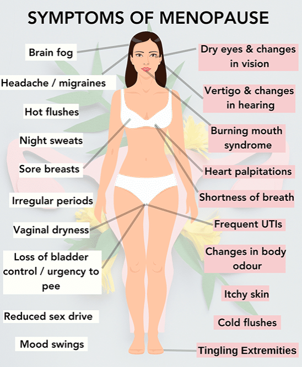
Symptoms vary; non, mild, challenging
A Hormonal & Neurological Process
- Caused by declining ovarian function → reduced estrogen & progesterone
- These hormones also regulate brain function
- The brain, in turn, controls their release
- Menopause is both a hormonal & neurological transition
A Critical Health Window
- Menopause may provide an opportunity to prevent Alzheimer’s & other age-related chronic diseases.
British Menopause Society (thebms.org.uk)
Menopause Matters (menopausematters.co.uk)
The Menopause Charity (themenopausecharity.org)
NHS Women's Health Hubs NHS website (www.nhs.uk)
Women's Health Concern | Confidential Advice, Reassurance and Education
Very Brief Intervention
Ask
Assist
Act
Local Support and Contact Details
Northamptonshire (West)

ASK
- “How have you been feeling lately? Any symptoms affecting your day-to-day?”
- “Are you experiencing changes that might be linked to menopause or perimenopause?”
- “Is anything making work, sleep, or daily activities harder at the moment?”
ASSESSS
- Gain a quick sense of what they’re dealing with:
- Symptoms: hot flushes, sleep problems, mood changes, heavy/irregular periods, pain, brain fog.
- Impact: work, relationships, caring roles, daily functioning.
- Awareness: “Have you spoken to anyone—like a GP or practice nurse—about this?”
- Support needs: emotional support? workplace adjustments? medical advice?
- Keep it light, empathetic, and non-judgmental.
ACT
- Guide them toward simple next steps:
- Encourage speaking with a GP about treatment options (HRT and non-HRT).
- Suggest lifestyle approaches that support symptoms: movement, sleep, stress reduction, cooling strategies.
- Promote the value of tracking symptoms (apps or paper).
- Signpost to trusted information and local support.
Conversation tips
- Why It Matters? Menopause and perimenopause can affect sleep, mood, energy, concentration, physical health and overall wellbeing. A brief, supportive chat can help someone feel understood and aware of available support.
- Normalise the experience: “Many people go through this, and support is available.”
- Avoid assumptions about age or gender—let them lead.
- Be sensitive to privacy and dignity.
- Focus on empowerment, not diagnosis.
Resources
- West Northamptonshire Health & Wellbeing Hub – menopause wellbeing guidance, healthy lifestyles support.
- GP Practice / Practice Nurse – menopause review, treatment options, HRT discussions.
- Northamptonshire Talking Therapies – support for mood, anxiety or sleep difficulties.
- Menopause Matters – evidence-based information on symptoms & treatments.
- NHS Menopause Guidance– self-care and clinical advice.
- British Menopause Society (thebms.org.uk)
- The Menopause Charity (themenopausecharity.org)
- NHS Women's Health Hubs NHS website (www.nhs.uk)
- Women's Health Concern | Confidential Advice, Reassurance and Education
- Home - Davina McCall
- Balance App – symptom tracking + reliable information.