
Illegal Tobacco
This section provides a practical overview of illegal tobacco, including how to recognise it, gather useful intelligence and support appropriate reporting. It can be used by officers and partners as a quick reference during routine interactions, helping to apply a public health approach alongside enforcement activity.
Drawing on the principles of Making Every Contact Count (MECC), you can integrate conversations about the public health risks of illegal tobacco into your routine interactions.
By shifting the focus from purely criminal enforcement to a public health approach, officers can use the Ask, Assist, Act framework to generate intelligence and help protect vulnerable community members.
This topic focuses solely on illegal tobacco products.
Very Brief Intervention
Ask
Generate intelligence
"Have you seen any good deals on cheap tobacco or cigarettes around here?"
"Have you noticed any shops selling cigarettes that are not in green plain packaging?"
"Do you ever see any unusual activity outside local shops, especially related to tobacco sales?”
Identify vulnerability
"I've noticed a lot of young people with cigarettes around. Are you aware of any shops selling to kids?"
"Have you heard about anyone being taken advantage of or exploited in relation to cheap cigarettes?"
"Are you or anyone you know struggling with addiction to things other than just tobacco?"
Gather data
Help standardise data collection by using consistent keywords like "Tobacco" on the Police National Database for related crimes. This makes it easier to track the scale and nature of illegal tobacco activity and link individual reports.
"Just so we can keep track, what kind of illegal tobacco did you see? Was it a brand like 'Manchester' or something else?"
Assist
Encourage Reporting
“All tobacco is harmful but illegal tobacco makes it easier for children to get hooked on a lethal addiction. Sellers are linked to criminals and don’t care who they sell to.”
“People can make a real difference to help keep more illegal tobacco off the streets by reporting it.”
Act
During or after a conversation, officers should direct the public to the official reporting hotlines and websites for illegal tobacco sales, such as the Citizens Advice Consumer Helpline or Crimestoppers. This allows for anonymous reporting that can inform future enforcement action.
Since illegal tobacco is often tied to wider issues like organised crime, exploitation, and health inequalities, officers should ensure that any information gathered is passed to partner agencies. For instance, intelligence can be shared with Trading Standards and health services to ensure a more holistic approach to the problem.
If the interaction yields intelligence, this can be used in joint operations with Trading Standards. This can lead to the seizure of illegal products and prosecution, which in turn reinforces the public's confidence in reporting.
Anonymous reporting of any information regarding the sale supply and/or storage of illegal tobacco or vapes can be made directly to Trading Standards South West - www.tssw.org.uk/work-areas/report-it/
Report IT - Trading Standards South West
NOTE: In addition to counterfeit or non-duty-paid tobacco, tobacco products may also be supplied unlawfully where sales restrictions under the Tobacco and Vapes Act apply.
Legislation relating to tobacco and vaping products continues to evolve. Officers should refer to current Trading Standards guidance for the latest enforcement powers and offences.
Identifying Illegal Tobacco
All Cigarettes and Hand Rolling Tobacco must now comply with The Standardised Packaging of Tobacco Products Regulations 2015. The packaging of which must be in this dark green packaging.
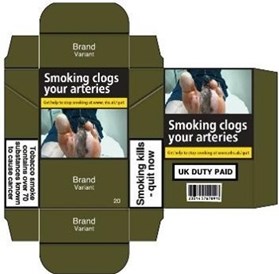
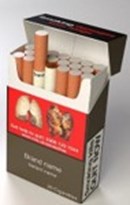
There are various types of illegal tobacco, which include hand rolling tobacco (HRT) and cigarettes. Typically, they can be categorised into three types…
Smuggled or Non-Duty Paid These are genuine products labelled for specific countries. They will typically have foreign labelling and may or may not be in standardised packaging, (drab drown).
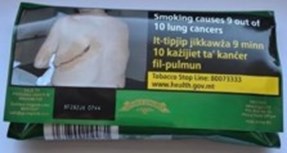
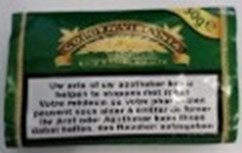
Counterfeit These are difficult to spot as they seek to copy legitimate (legal) brands. Some try to mimic the look of non-duty paid brands (described above).
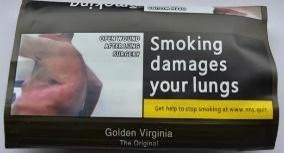
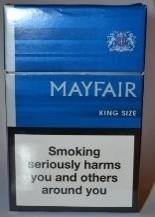
No Legal Market These are unknown brands (typically cigarettes), that are made to look like well established brands. They are not normally in standardised packaging. There are hundreds of brand names, currently some popular names are Platinum, Esse, Top Gun, Manchester and RGD.

Cigarettes can only be sold in packs of 20 and HRT pouches of 30g or more
Watch out for Cigarillos. These can be sold in packets of 10 as they are cigars currently falling outside the definition of cigarettes.
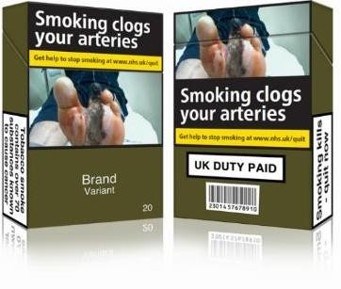
Legal tobacco should all have the tax stamp

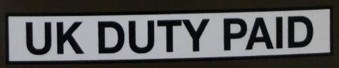
“UK DUTY PAID” – known as the fiscal mark, must be displayed in this exact format. (Look out for counterfeits that will
display “DUTY PAID”)
There must be a Track and Trace code present
This code could be made up of a series of letters and numbers (like a Wi-Fi password), it may or may not also have a QR Code. These codes will normally be found at the bottom of cigarette packets and on the front or back of HRT pouches
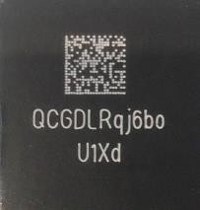
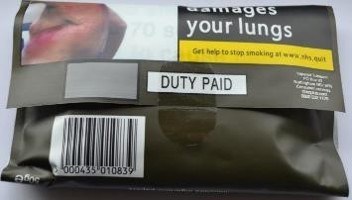
Track and Trace codes are all unique to each individual packet or pouch – if you see the same codes, this is an indication that it may be counterfeit.
There must be a yellow health warning that says exactly this:

The sale and supply of illegal tobacco funds, serious and organised criminal activity by OCG’s. A shop can make between £3,000 and £5,000 a day from its sale.
Shops/vendors will typically keep low levels of illegal tobacco, often in sophisticated hides, to avoid detection. These will be topped up throughout the day by runners.
Recent trends have seen shops store illegal tobacco:
- in nearby parked vehicles
- in a flat above or near the shop
- in a grab bag in the shop, that a staff member will grab and go if they see enforcement
- stuffed in puffer jackets, that they will either wear or claim it is not theirs.
Offences
There are various offences that will typically occur with illegal tobacco.
Trade Marks Act 1994 – (counterfeiting)
Offences are found in Section 92 that covers any person that:
- Sells, offers for sale, or distributes or
- Has in his possession, custody or control during a business, goods which bear, a trade mark or something that looks like a trade mark.
Offences can be both summary and indictable. Common enforcers
The Standardised Packaging of Tobacco Products Regulation 2015
Offences are found in Regulation 15 that covers:
- Supplies, offers, or agrees to supply
- Exposes or possesses for supply Cigarettes and Hand Rolling Tobacco that is not in standardised packaging
Only Trading Standards can prosecute for this offence, however police can seize as evidence under S19 of The Tobacco and Related Products Regulations 2016.
Offences are found in Regulation 48 that covers a failure to label the tobacco products correctly – here are the main provisions:
- There must be health warnings on both sides
- Warnings must be in the English language
- Correct statutory wording (in English)
- Pictograms must be present (they must be correct ones)
Offences can be both summary and indictable.
Only Trading Standards can prosecute for this offence, however police can seize as evidence under S19 of PACE
Intelligence
Officers should submit intelligence in the normal way via their own systems, and we ask that this intelligence is disseminated to us via our regional intelligence team, SWRET.intelligence@bristol.gov.uk
Anonymous reporting of any information regarding the sale, supply and/or storage of illegal tobacco or vapes can be made directly to Trading Standards South West - www.tssw.org.uk/work-areas/report-it/ Report IT -
Trading Standards South West
Contacts in Trading Standards for Illegal Tobacco and Vapes:
SW Regional Lead Tobacco and Vapes
Ben Hayes Ben.hayes@bristol.gov.uk
M: 07867 440 702
This guidance has been produced by Ben Hayes, South West Tobacco and Vape Lead at Trading Standards South West.